

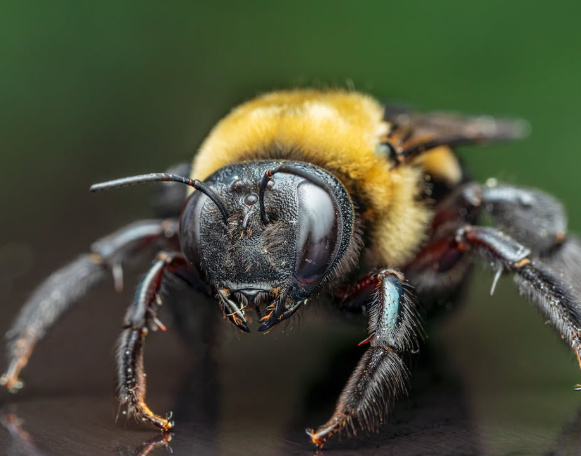

While spring brings a welcome renewal to the landscape, it also heralds the return of a less invited guest: the carpenter bee. Though these industrious pollinators are essential to the ecosystem, their habit of boring into decks and eaves makes them a persistent challenge for homeowners looking to protect their property.
Often mistaken for bumblebees, carpenter bees are distinguished by their shiny, hairless black abdomens. Unlike bumblebees, which nest in the ground, carpenter bees are biological drillers. Females use their powerful mandibles to create perfectly circular, half-inch holes in softwoods like cedar, pine, and redwood. These entry points lead to internal tunnels where they lay their eggs.
Effective Removal and Prevention
Getting rid of carpenter bees requires a multi-step approach to ensure they do not return next season:
-
Treat Active Tunnels: Use a targeted insecticidal dust or spray inside the holes. This ensures that both the adult bees and the developing larvae are reached.
-
Seal the Entry Points: Once you are certain the bees are gone, plug the holes with wooden dowels, wood putty, or caulking. Failure to seal these holes invites new bees to occupy the pre-existing tunnels.
-
Paint and Varnish: Carpenter bees prefer untreated, weathered wood. A thick coat of exterior paint or a high-quality polyurethane finish acts as a primary deterrent, as the bees find the taste and texture of treated surfaces unappealing.
-
Bee Traps: Wooden traps that mimic natural nesting sites can draw bees away from your home’s structure. Once inside the trap, the bees are unable to escape.
Why Persistence Matters
Because carpenter bees are territorial, they often return to the same location year after year. By addressing the infestation early in the spring and maintaining a well-painted home exterior, homeowners can enjoy the season without the threat of structural damage. While they are a nuisance, remember that male carpenter bees—the ones most likely to “dive-bomb” passersby—do not have stingers, making them more of a persistent pest than a physical threat.
Sign up for our Sunday Spectator. Delivered to your inbox every Sunday, with all the news from the week.