
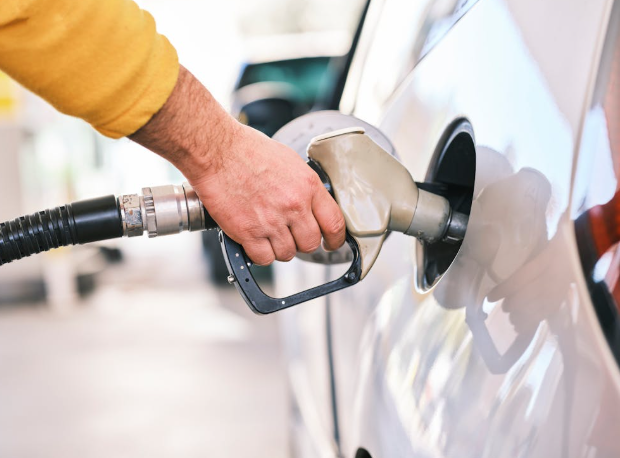
Prices at the pump are tough to swallow at the moment. Even with 100 miles left in my tank, the total cost to fill up was a whopping $51. I’ll be the first to acknowledge my car gets average to poor gas mileage (around 23mpg) but I can only imagine what people driving big trucks or SUVs must be paying. This also got me thinking about the importance of being practical. Practicality, especially with money, isn’t fun or flashy but it does allow us to weather the financial storms as they arise.
If the last twenty plus years has taught us anything, financial headwinds will be felt, whether we like it or not.
In 2008 (at the start of the housing downturn), I was working as a Marketing manager at a Big 4 bank. At the time, I was tasked with starting up a new program allowing people to either sell their house for less than what they owed (called a short sale) or turn their house back into the bank and have their outstanding debt forgiven (called a deed in lieu). Competitor analysis showed there were no other banks marketing to their customers with this idea so we had to start from scratch.
Without boring you with all the details, customers were offered thousands of dollars in some cases to leave their existing home. Again, their outstanding debt would be forgiven and they’d receive a cash payout from the bank to leave their home and move elsewhere. Interestingly, the success rate of people accepting the offer was a lot less than you’d expect. I don’t recall the exact figures but it was less than 5% of those solicited who accepted the proposal.
Houses, like cars and anything else we own, are cherished possessions. We take pride in them and will fight tooth and nail to make sure no one takes them away. This is understandable; however, what most of us don’t do is hedge against the possibility of losing them in the first place. What I mean is, there’s a higher likelihood that you can keep your car regardless of what financial downturn may happen if you own it. This isn’t always true, but it’s a better bet than if you lease or have an outstanding loan. The same can be said for your house, your furniture, swimming pool or anything else you own.
It’s boring to be practical and yet it ensures ownership and financial advancement no matter what may happen in the stock market, to gas or food prices. There’s a reason we’re encouraged to put 6% of our paychecks into a 401K or other retirement account. It’s not fun to essentially tax ourselves each paycheck but the pain felt now sets us up for success later.
As I saw the pump gauge pass the $50 mark earlier today, I wondered if I should purchase a hybrid car instead of the one I currently own. This thought lasted about five seconds when I realized this idea made little sense. When my car dies and I’m forced to buy something else, a hybrid may be a good option. For now, the price of gas shouldn’t dictate anything, let alone a large purchase. It takes about $15 extra dollars to fill my car up at the moment, which I have to do once a week. This equates to an additional $60 per month. It stings for sure, but that doesn’t justify a new car payment of $500 or more.
When times are good, it’s easy to consider taking a trip abroad or making a large purchase for something that we think will enhance our lives. The more difficult decision is to be practical during these times. Avoid thinking short term and keep a long term view when it comes to financial decisions. This is especially true for large purchases.
Having said that, if you really want to put a swimming pool in, be my guest. Just be sure to keep me on your summer invite list.

Sign up for our Sunday Spectator. Delivered to your inbox every Sunday, with all the news from the week.