

COLUMBIA, S.C. — The South Carolina Department of Public Health (DPH) has confirmed a case of measles in an adult Saluda County resident. Upon investigation, the case is determined to be the result of international travel and is not related to the Upstate outbreak.
The individual’s vaccination status is unknown. Thirty-four individuals have been identified as potentially exposed, and those individuals are currently in the process of being notified and recommended for quarantine. No public exposures occurred, and the case is isolating to prevent further spread of the virus through April 18.
The subject presented at a local provider in Saluda County on April 14, and lab confirmation of measles was received April 16. Subsequent investigation determined that all appropriate precautions were taken at the provider location to prevent exposure to staff or the public.
This case brings the total number of measles cases in South Carolina since July 2025 to 1,001. The Upstate outbreak total remains at 997, and barring any new associated cases, that outbreak is scheduled to be declared officially over on April 26.
“This case reflects the reality of the world we live in, with measles outbreaks that are currently active in other areas posing a constant threat to spread here as people travel,” said Dr. Brannon Traxler, DPH’s Deputy Director of Health Promotion and Services & Chief Medical Officer.
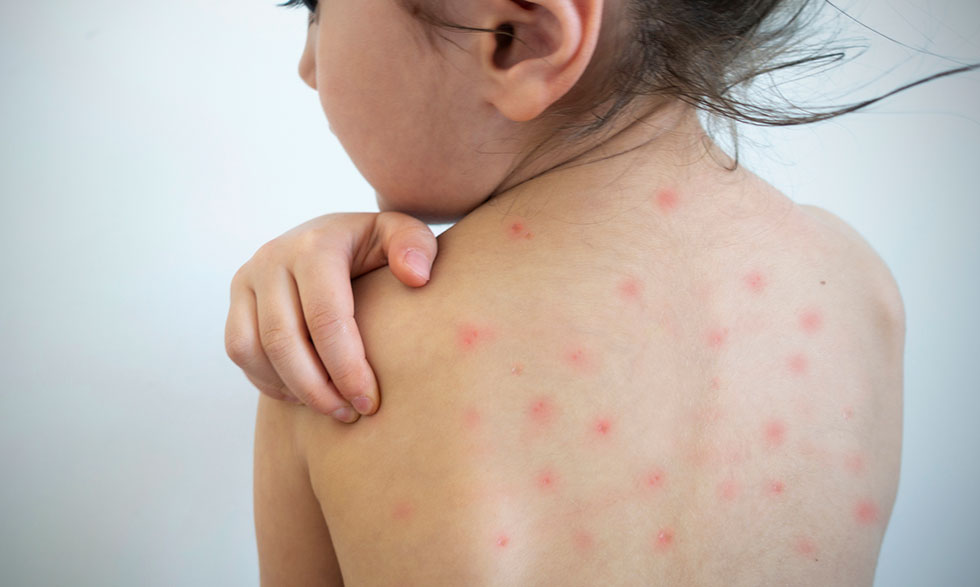
Measles is a serious disease that can lead to hospitalization and even death. The initial symptoms of measles include fever, cough and runny nose. These symptoms are followed by a rash. The rash usually lasts five or six days.
The virus can be spread through the air when a person with measles breathes, coughs, or sneezes. Measles virus can remain infectious in the air for up to two hours after the sick person is gone from the area. People with measles should stay home from work or school for four days after their rash first appears.
The best way to prevent measles is through vaccination. The measles vaccine is over 97% effective. Children should receive two doses of measles, mumps, rubella (MMR) vaccine: the first at 12 to 15 months of age, and the second at 4 to 6 years of age.
Children 6 to 12 months should get an early dose of MMR vaccine if they are traveling to a country where measles is common. For all ages, it is important to talk to your doctor if you are going to be traveling to another country.
Most people born before 1957 were infected with measles during childhood and therefore are presumed to have protection via natural immunity, even if they have not been vaccinated.
Certain groups of people, including pregnant women and immunocompromised people, should not receive the MMR vaccine or should delay receiving it. DPH recommends and encourages people to speak with their health care provider to evaluate the risks and benefits of vaccination.
For more information about measles visit the DPH website or CDC website.

Sign up for our Sunday Spectator. Delivered to your inbox every Sunday, with all the news from the week.

Thomas Hyslip lives in Tega Cay with his wife and daughter. After 27 years in the U.S. Army and Federal Law Enforcement, he retired to pursue his passion for teaching. Tom is now an Assistant Professor of Instruction at the University of South Florida. In 2 short years he has won 10 awards from the South Carolina Press Association, including first place in column writing, education beat reporting and best podcast.