
A Recent Arrest Highlights the Need for Vigilance in the Digital Dating Age
In an era where connections are made instantly online, the promise of finding true love is just a click away. However, lurking behind a charming profile picture and sweet messages is a growing threat known as the Romance Scam. These highly sophisticated fraud schemes are designed to weaponize human emotion, often leaving victims heartbroken, financially devastated, and embarrassed.
A recent sentencing serves as a stark reminder of the global nature and severe consequences of this crime, underscoring why awareness and vigilance are paramount for anyone navigating online relationships.
The Anatomy of a Romance Scam
A romance scam is a confidence trick where a criminal creates a fake online identity to gain a victim’s affection and trust. Once a seemingly “romantic” or close relationship is established—often moving very quickly—the scammer leverages that emotional goodwill to manipulate and ultimately steal from the victim.
The FBI identifies key tactics used by these con artists:
-
Rapid Trust Building: Scammers often profess love, discuss marriage, and make concrete plans to meet in person, all within a very short timeframe. This speeds up the emotional attachment process.
-
The In-Person Excuse: The scammer will typically claim to be working outside the U.S., often in the building, construction, or military industries. This creates a plausible reason why they cannot meet in person and often sets the stage for their financial requests.
-
The Emergency Request: Once the victim is invested, the scammer invents a sudden, urgent crisis requiring money. Common excuses include medical emergencies for themselves or a family member, unexpected legal fees, or travel expenses needed to finally visit the victim.
-
The Money Mule Trap: If a scammer asks for your bank account information to deposit money, be extremely wary. They are often using your account to carry out other fraud and theft schemes, inadvertently turning you into a “money mule” who assists in laundering criminal proceeds.
Case Spotlight: Nigerian Resident Sentenced for Years-Long Scheme
The reality of these schemes was brought into sharp focus with the sentencing of Daniel Chima Inweregbu, a 40-year-old resident of Lagos, Nigeria, in late 2025.
Inweregbu was sentenced to 33 months imprisonment, followed by three years of supervised release, and ordered to pay restitution for his role in a years-long romance scam and money laundering conspiracy that targeted multiple American women.
Details of the Case:
-
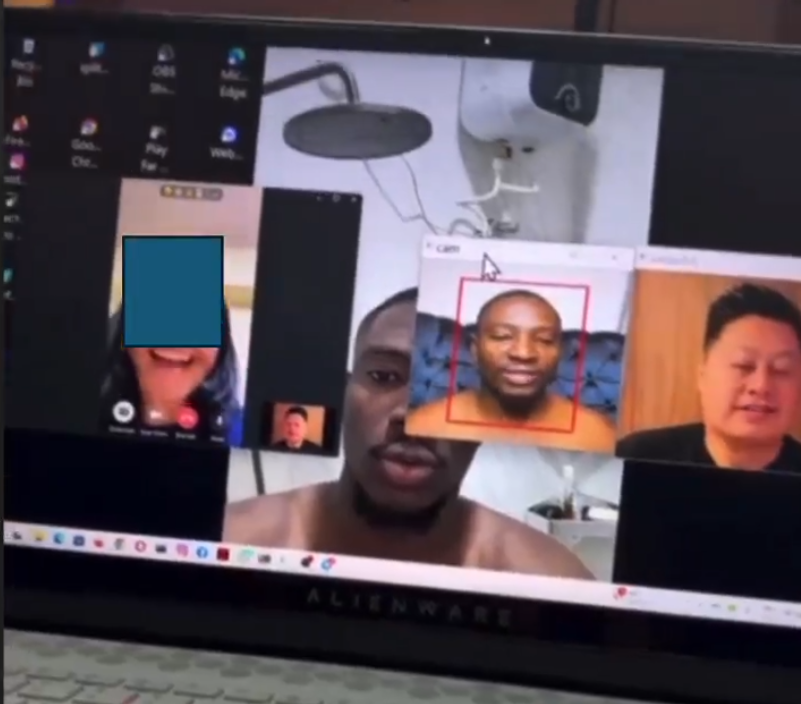
The Deception: Inweregbu and his co-conspirators utilized social media and online dating sites, creating profiles using the alias “Larry Pham,” a purportedly middle-aged Canadian-born Vietnamese male.
-
The Target: They appealed to the victims’ longing for companionship, establishing deep emotional relationships before requesting money under various fraudulent pretenses.
-
The Financial Toll: The scheme resulted in over $405,000 in actual and intended losses to the identified victims. The funds were subsequently laundered through various intermediaries in an effort to conceal the source of the ill-gotten gains.
-
The Outcome: Inweregbu was arrested when he traveled from Nigeria to the United Kingdom and was eventually extradited to the United States to face justice, demonstrating that law enforcement has a global reach when pursuing these crimes.
This case clearly illustrates that romance scams are not petty theft; they are complex, multi-layered criminal enterprises involving wire fraud, mail fraud, and money laundering, carrying significant federal penalties.
Protect Your Heart and Your Wallet: Red Flags
Vigilance is your best defense against romance scams. If you are communicating with someone online, especially through dating or social media sites, watch out for these critical red flags:
-
They seem too perfect: Scammers often create characters that match a victim’s desires, leading to an alarmingly quick declaration of love.
-
They move too fast: They immediately push you to leave the dating platform or social media site to communicate only through private email or messaging apps.
-
They isolate you: They attempt to drive a wedge between you and your friends or family who might be suspicious of the relationship.
-
They refuse to meet: They constantly promise to meet in person but always have a last-minute excuse—an accident, a business problem, or a customs issue.
-
They ask for money: This is the most important red flag. They will ask you to send money for emergencies, travel, or to help them access their “own” money. Never send money to someone you have only communicated with online or by phone.
If you have been victimized or suspect a scam, stop all contact with the individual immediately. Report the incident to the FBI’s Internet Crime Complaint Center (IC3) at IC3.gov.

Feeling lost in the digital world? Dr. Tom is here to help!
Join Dr. Tom every week in his column, Dr. Tom’s Cyber Bits and Tips, for byte-sized advice on all things cyber and tech. Whether you’re concerned about online safety, curious about the latest cybercrime trends, or simply want to navigate the ever-evolving digital landscape, Dr. Tom has you covered.
From practical cybersecurity tips to insightful breakdowns of current threats, Dr. Tom’s column empowers you to stay informed and protect yourself online. So, dive in and get savvy with the web – with Dr. Tom as your guide!

Sign up for our Sunday Spectator. Delivered to your inbox every Sunday, with all the news from the week.

Thomas Hyslip lives in Tega Cay with his wife and daughter. After 27 years in the U.S. Army and Federal Law Enforcement, he retired to pursue his passion for teaching. Tom is now an Assistant Professor of Instruction at the University of South Florida. In 2 short years he has won 10 awards from the South Carolina Press Association, including first place in column writing, education beat reporting and best podcast.