

South Carolina lawmakers are weighing a new legislative proposal designed to regulate the rapid expansion of data centers across the state. The “Data Center Development Act” seeks to balance the state’s burgeoning digital economy with the protection of public resources and utility rates.
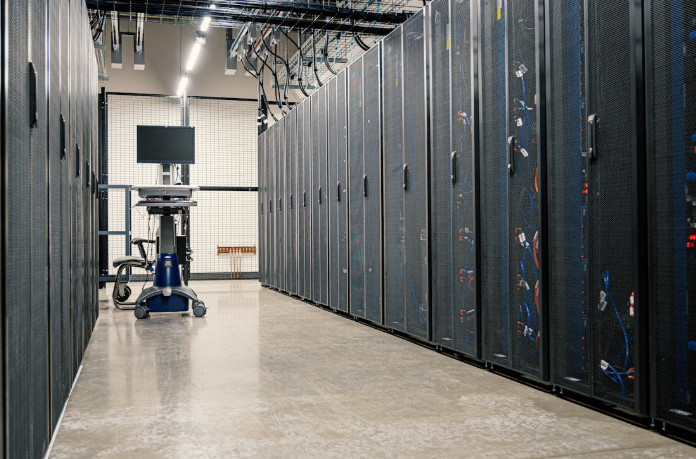
Data centers are specialized industrial facilities housing massive arrays of computer servers. While they are critical for modern digital infrastructure and artificial intelligence, they require extraordinary amounts of electricity and water to operate. Projections from state utilities suggest that these facilities could account for 60% to 70% of South Carolina’s new power demand in the coming years.
Proposed Regulatory Guardrails
Currently, data center projects are primarily governed by local zoning and municipal ordinances. The proposed bill would introduce several state-level requirements:
-
State Permitting: Operators would be required to obtain a state permit before beginning construction, overseen by a newly created state office.
-
Infrastructure Costs: Companies would be responsible for covering the full cost of any electrical or utility infrastructure upgrades needed to support their high-demand facilities.
-
Water Efficiency: The measure establishes strict standards to ensure that the cooling systems used for server banks do not place an undue burden on local water resources.
Economic Concerns and Opposition
The legislation has met resistance from industry leaders and economic development advocates. Opponents argue that South Carolina’s existing environmental and local regulations are sufficient. They warn that adding a secondary layer of state permitting could create “friction”—specifically longer timelines and higher costs—that might drive technology investments to neighboring states.
Critics of the bill emphasize that being a hub for AI-capable infrastructure attracts innovation and high-tech industry. They contend that increased regulation could result in South Carolina missing out on the economic benefits of the next generation of digital growth.
Protecting the Ratepayer
Supporters of the act, including conservation groups, argue the guardrails are necessary to prevent “everyday customers” from subsidizing the massive energy needs of large corporations. Without these protections, there is concern that the added demand on the power grid could lead to significant rate increases for residential households and small businesses already facing rising costs for other commodities.
The bill is currently residing in committee. Lawmakers intend to gather additional public testimony from both industry stakeholders and utility advocates before moving toward a formal vote.

Sign up for our Sunday Spectator. Delivered to your inbox every Sunday, with all the news from the week.