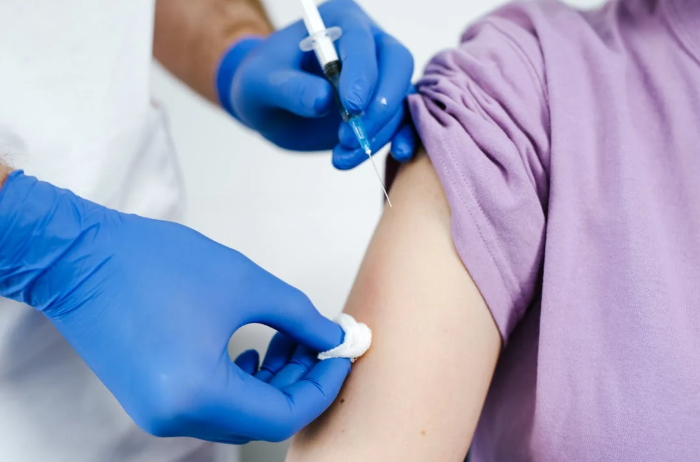

As the measles outbreak in South Carolina reaches 789 confirmed cases, the South Carolina Department of Public Health (DPH) and local medical providers are highlighting the widespread availability of the measles-mumps-rubella (MMR) vaccine to curb further spread.
Following a surge of 89 new cases in the last week, health officials are prioritizing access to immunization. The vaccine is currently available through several channels across the state:
-
Primary Care Providers: Local pediatricians and family doctors are the primary source for the two-dose childhood series.
-
Retail Pharmacies: major chains such as CVS and Walgreens are offering vaccinations. CVS recently expanded access to the MMR vaccine at more than 200 locations across South Carolina for patients aged three and older.
-
Public Health Departments: DPH health departments are increasing appointment availability to meet rising demand.
-
Mobile Health Units: The DPH has activated mobile units to provide no-cost MMR vaccinations in areas with high exposure risk.
The Centers for Disease Control and Prevention (CDC) reports no current shortages of the MMR vaccine. Most insurance providers, including the State Health Plan, cover preventative doses with a $0 copayment. For those without insurance, federal aid and state programs like “Vaccines for Children” are in place to ensure financial barriers do not prevent residents from receiving protection.
Medical professionals emphasize that vaccination remains the most effective defense, provided it is administered on the recommended schedule:
-
Children: A first dose at 12 to 15 months and a second dose between ages 4 and 6.
-
Adults: Vaccination is recommended for those without proof of immunity, especially those in high-risk professions or born after 1957.
Healthcare providers report that while some hesitancy remains, clinics are seeing an increase in parents seeking the vaccine. Clinical data shows that the two-dose regimen is approximately 95% effective at preventing infection.
Pharmacists note that maintaining high vaccination rates is essential to protect vulnerable populations who cannot be vaccinated, such as pregnant women and immunocompromised individuals. By ensuring as many residents as possible are immunized, the state aims to create a shield for those most at risk.
Signs of the measles include fever, cough, runny nose, and a distinct rash. DPH officials state that getting vaccinated—even within 72 hours of an exposure—can help prevent infection and stop the current outbreak from expanding further into the state.

Sign up for our Sunday Spectator. Delivered to your inbox every Sunday, with all the news from the week.