My family moved to Greer, South Carolina from New Jersey in 1986. The town we moved from up north wasn’t considered large; however, it was much more developed and overcrowded compared to our new home in the south. Traffic jams and four lane highways were replaced with open spaces and two lane roads.
We may as well have moved to another country, the differences were stark and shocking to my 11 year old mind.
I couldn’t see myself living anywhere else but my embrace of the south took time. Moving from a place I had always known was difficult for me to accept. This was especially true with the food. NY pizza, birch beer and backyard BBQ were replaced with Little Caesar’s Crazy Bread, sweet tea and pork BBQ dripping in tomato sauce. (NOTE: It wasn’t until later that I realized tomato based bbq was anathema to the rest of South Carolina, where mustard or vinegar based sauces reigned supreme).
At the time, South Carolina was largely untapped. Rich in heritage, tradition and history, it was a sleeping giant of industry, innovation and natural beauty. For those of us living in the upstate, that changed when Michelin and BMW became major employers within the region. This was part of a business and population boom that has seen South Carolina explode from 3.5 million residents in the late 1980s to over 5.5 million residents today.
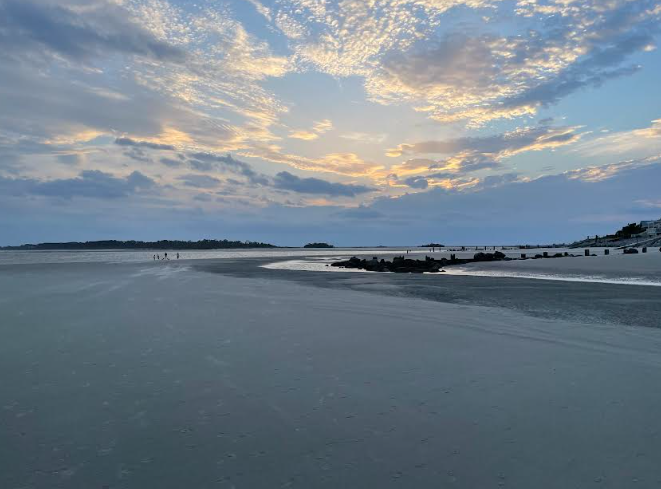
Until recently, my family and I vacationed on Fripp Island every year. Sitting just past Huntington Island State Park, Fripp is a private island known for its natural beauty, relaxed atmosphere and golf carts as the preferred mode of transportation. My first time visiting was with my best friend and his family. We were bored high school kids but still had fun driving around, grabbing ice cream and enjoying the beach. I vowed that it would always be my family beach destination. This was true until a few years ago.
Similar to Charleston, Fripp Island has become unaffordable to me and many others in our state. What was once a family friendly beach destination, a private equity purchase of the island has resulted in prices that have nearly doubled over the past five years. I’m unable to justify spending double so we decided to stop going. Greenville and Columbia have also seen a massive influx of corporate dollars, converting what were once sleepy southern towns into major destination cities.
A recent visit to Landrum, South Carolina proved that progress knows no bounds. I spoke to a couple of locals who expressed consternation at their little town being co-opted by moneyed interest from inside and outside the state. This was easy to see as we drove past antique shops, restaurants and furniture stores downtown, providing ample shopping for the wealthy residing in nearby Tryon, North Carolina.
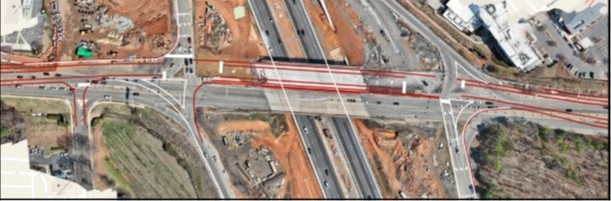
Here in Tega Cay, there is no shortage of development taking place. Houses are rising, a downtown area known as The Grove is taking shape at the end of my street and our clubhouse area is being upfitted to include a new restaurant. Aside from additional housing, the other changes taking place will most likely be welcome additions to our community. It’s difficult not to be slightly concerned with the effects of overpopulation; however, progress will take place regardless of how we feel.
Progress is defined as “moving forward or onward.” In the past 40 years, it’s plainly obvious the state of South Carolina is moving forward.
The question is, will the rest of us who live here be able to afford to move with it?

Sign up for our Sunday Spectator. Delivered to your inbox every Sunday, with all the news from the week.