The Government Will Never Call You Like This
Your phone rings. The caller ID reads “Social Security Administration.” An official-sounding voice tells you there is a serious problem with your Social Security number — perhaps it was used in a crime, or your benefits are about to be suspended. They need you to verify your information immediately, or the consequences will be severe.
Stop. Hang up. It’s a scam.
This scenario plays out thousands of times a day across the country, and it is costing Americans dearly. In 2024, consumers reported losing more than $12.5 billion to fraud — a 25% increase over the previous year. Of that staggering total, over $700 million was reported as government imposter scams, with Social Security-related scams among the most frequently reported. The numbers are only getting worse: in 2025, the FTC received over 330,000 complaints of government imposter scams — a 25% increase from 2024.
And it is not just phone calls anymore. Scammers are evolving, and their playbook has gotten significantly more sophisticated.
The New Tricks Scammers Are Using in 2026
Criminals have learned to weaponize the news cycle. With real changes happening to Social Security and Medicare, confusion creates opportunity.
The “Clawback” Letter. Scammers are sending fake demand letters that mimic the visual style of the Social Security Administration or the Centers for Medicare & Medicaid Services, sometimes citing real statutes to make the threat seem legitimate. The letter claims you received “improper payments” and must verify your banking details immediately to avoid having your benefits reclaimed. This is a lie. The government communicates through a series of official letters — never a sudden demand for immediate digital payment.
The “$2,000 Drug Cap” Scam. A real regulatory change took effect in 2026: the out-of-pocket cap for prescription drugs dropped to $2,000. Criminals are using this genuine good news to confuse beneficiaries, calling seniors and claiming they need to “activate” the new cap or that the new rules triggered an audit of their past payments. If anyone contacts you asking for personal details to enroll you in this benefit, hang up — enrollment is automatic.
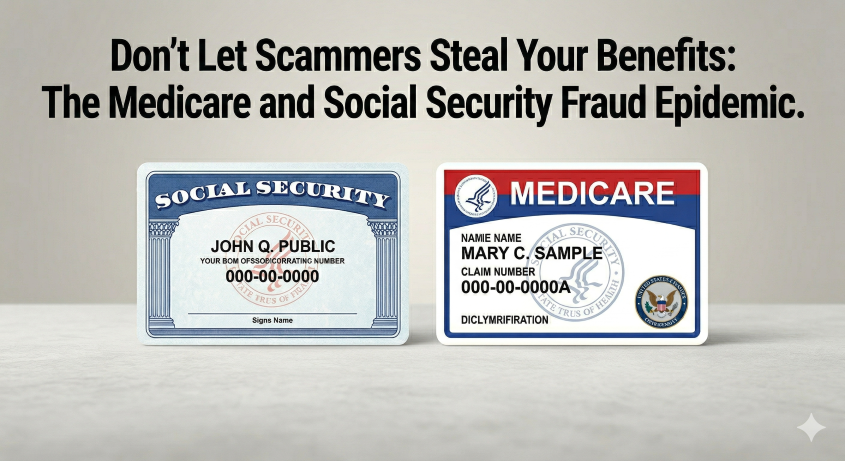
The Fake Medicare Card. Scammers claim that Medicare is issuing new cards with updated security features and that they need to verify your identity before mailing one out. However, there are no plans to roll out new Medicare cards in 2026. You will only receive a new one if you specifically request a replacement.
Caller ID Spoofing. Scammers can spoof caller ID, meaning the number displayed on your phone may look exactly like the real Social Security Administration office. Never trust what your caller ID says. If the call seems suspicious, hang up and call the agency directly using the number on their official website.
The Rules the Real Government Lives By
The single best defense against these scams is knowing what the real agencies will and will never do. Memorize these rules:
Social Security will NEVER:
- Threaten you with arrest, legal action, or benefit suspension over the phone
- Demand immediate payment by gift card, wire transfer, or cryptocurrency
- Ask you to keep the call secret from family members
- Send threatening emails or texts about your benefits
Medicare will NEVER:
- Call you unsolicited to sell you a plan or ask for your Medicare number
- Ask for payment information to “activate” a new benefit
- Send representatives door-to-door to enroll you in a plan
If there is a legitimate problem with your Social Security record, the agency will typically mail a letter — not make a threatening phone call.
Your Medicare Number Is as Valuable as Your Credit Card
If a scammer gets your Medicare number, they can bill Medicare for bogus surgeries, braces, and medications in your name — draining the system and potentially corrupting your medical records in ways that could lead to incorrect treatment later. Treat your Medicare card exactly like your Social Security card: leave it at home unless you are heading to a doctor’s appointment.
What To Do If You Are Targeted
If you receive a suspicious call, text, or letter claiming to be from a government agency:
- Hang up or ignore it. Do not press any numbers or engage with the caller.
- Never provide personal information — your Social Security number, Medicare number, bank details, or passwords.
- Verify independently. Call the agency directly using the number from their official website or your benefits statement — not any number the caller provides.
- Report it. Social Security-related scams can be reported at OIG.SSA.GOV. All other government imposter scams can be reported to the FTC at ReportFraud.FTC.gov.
- Tell someone. Talking to a family member, friend, or staff member at your community center can help you evaluate a suspicious situation — and taking a pause is often enough to prevent a scam.
Remember: scammers rely on urgency and panic. The moment you feel rushed or threatened, that is your signal to slow down, not speed up.
Feeling lost in the digital world? Dr. Tom is here to help!
Join Dr. Tom every week in his column, Dr. Tom’s Cyber Bits and Tips, for byte-sized advice on all things cyber and tech. Whether you’re concerned about online safety, curious about the latest cybercrime trends, or simply want to navigate the ever-evolving digital landscape, Dr. Tom has you covered.
From practical cybersecurity tips to insightful breakdowns of current threats, Dr. Tom’s column empowers you to stay informed and protect yourself online. So, dive in and get savvy with the web – with Dr. Tom as your guide!

Sign up for our Sunday Spectator. Delivered to your inbox every Sunday, with all the news from the week.