New partnership funding and dedicated staff bring hands-on environmental education to more South Carolina classrooms
COLUMBIA, S.C. — Across South Carolina, students are testing water samples, planting pollinator gardens and leading schoolwide recycling drives — and their communities are taking notice. Behind many of these efforts is South Carolina Green Step Schools (SCGSS), a statewide program that connects teachers and students with expert mentors and resources to bring meaningful environmental projects to life. Now, thanks to a new funding partnership, SCGSS is poised to reach more South Carolina students than ever before
Led by the Environmental Education Association of South Carolina (EEASC), SCGSS empowers educators and students to tackle real environmental challenges in their own communities at no cost to schools.
“EEASC’s Green Step Schools initiative has made such a difference in my teaching and truly helped me find a path of joy and advocacy that means so much to me and my students,” said Dr. Angela Clifford, lead SCGSS teacher at Aiken Elementary and the Aiken Soil and Water Conservation District’s 2025 Educator of the Year.
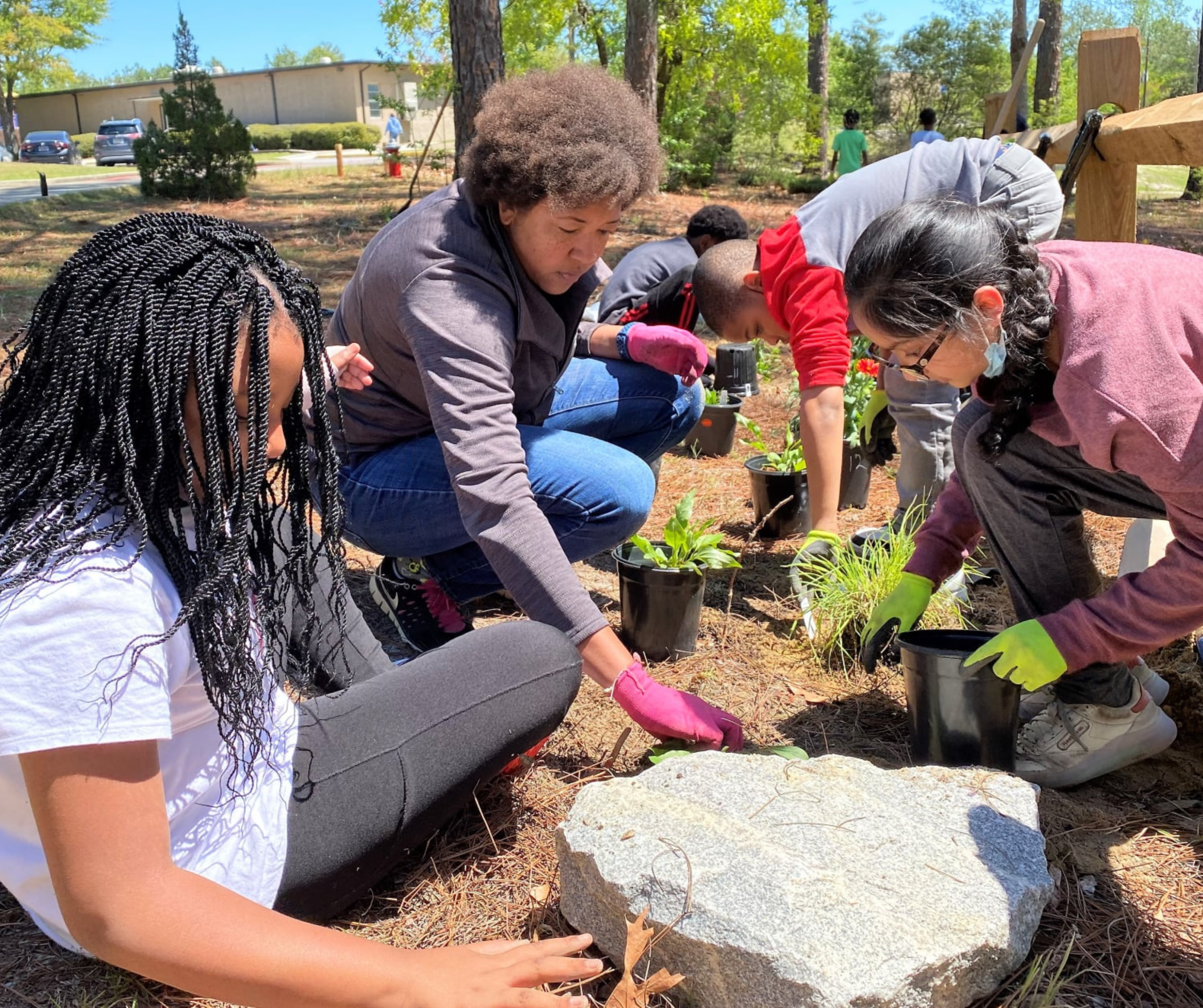
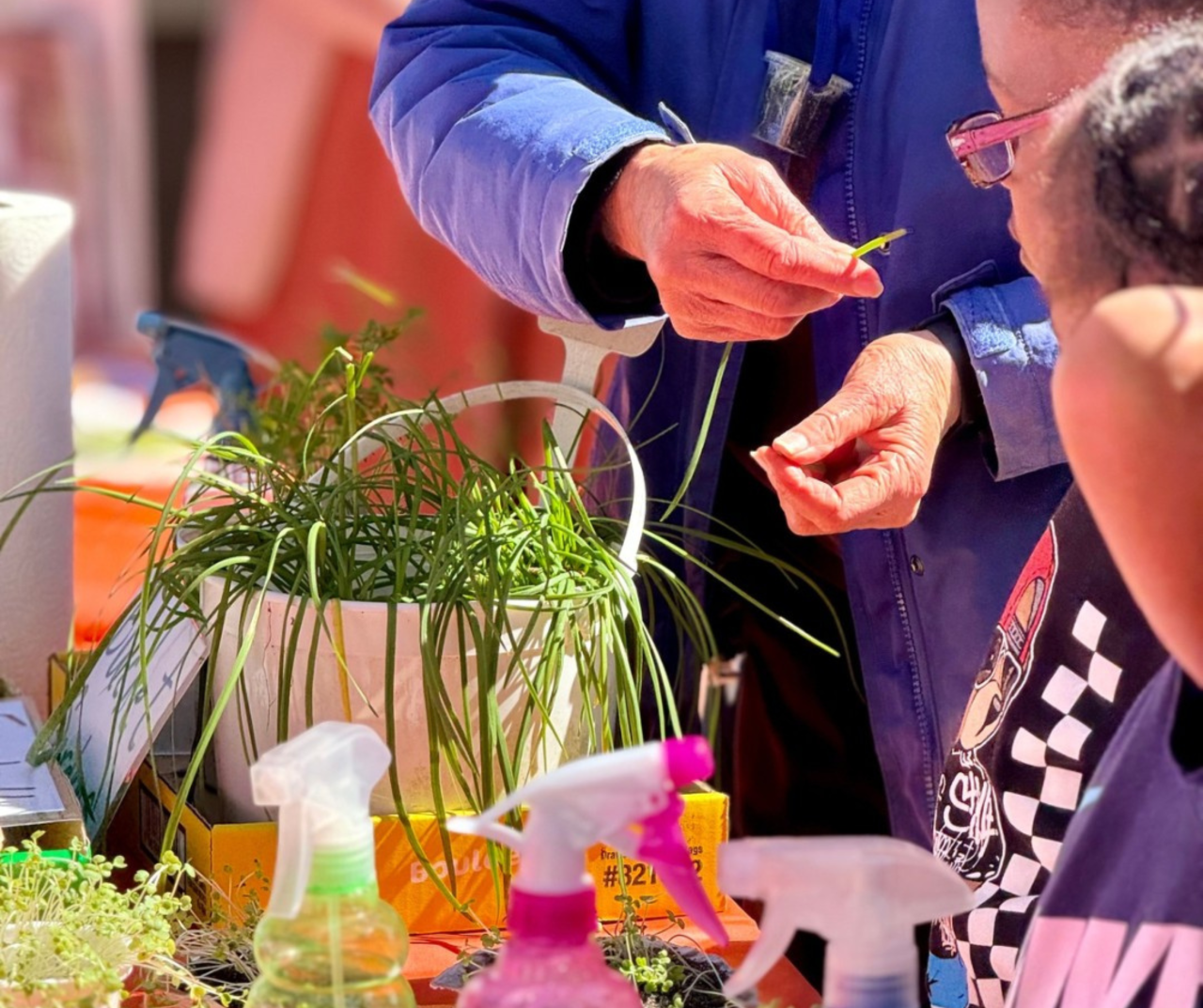
The program’s three-step model is simple but powerful: Learn, Do, Teach. Students begin by exploring an environmental topic — such as recycling, water quality or energy conservation — through hands-on inquiry like waste audits, water testing or visits from topic experts. Then they put that learning into action with a school project, such as launching a composting program, creating a food share table or planting a garden. Finally, students become the teachers, sharing what they learned and inspiring others through classroom presentations, social media and community events.
Throughout the process, teachers receive training, mentorship and statewide recognition, with support from dozens of mentors representing organizations such as the S.C. Department of Natural Resources, Clemson Extension and the S.C. Forestry Commission.
“Seeing a child’s eyes light up as they realize they can help improve the world around them through kid-sized actions is priceless,” said Sydni Wilson, SCGSS mentor and program manager at Keep the Midlands Beautiful. “It’s the ‘aha moment’ that helps them realize their full potential.”
During the 2024–2025 school year alone, SCGSS engaged 30 mentors, supported 243 student-led projects and reached 43 schools across 16 counties. Since its launch in 2003 — originally developed in partnership with the S.C. Department of Environmental Services (formerly SCDHEC), Keep the Midlands Beautiful and Sonoco Recycling — the program has been a quiet but powerful force in South Carolina environmental education.
Much of that sustained success is credited to volunteer SCGSS coordinator Jane Hiller, who has dedicated herself to the program since its beginning, continuing her work even after retiring from Sonoco Recycling in 2020. The program was recognized with the Governor’s Award for Environmental Awareness by the S.C. Department of Natural Resources in 2020.
To build on the program’s momentum, two longtime EEASC partners — the S.C. Energy Office (SCEO) and PalmettoPride — have committed new funding to support continued growth. Both organizations share a commitment to connecting South Carolina youth with the environment and see SCGSS as a vital pathway to doing so, particularly in rural areas of the state that have historically been harder to reach.
“Children take home what they learn at school,” said Sarah Lyles, executive director of PalmettoPride. “When students understand why litter prevention matters — how it protects wildlife, waterways and the places where they live and play — they become powerful advocates for change in their own homes and communities. This partnership with Green Step Schools helps us reach more classrooms and continue to reinforce those lessons.”
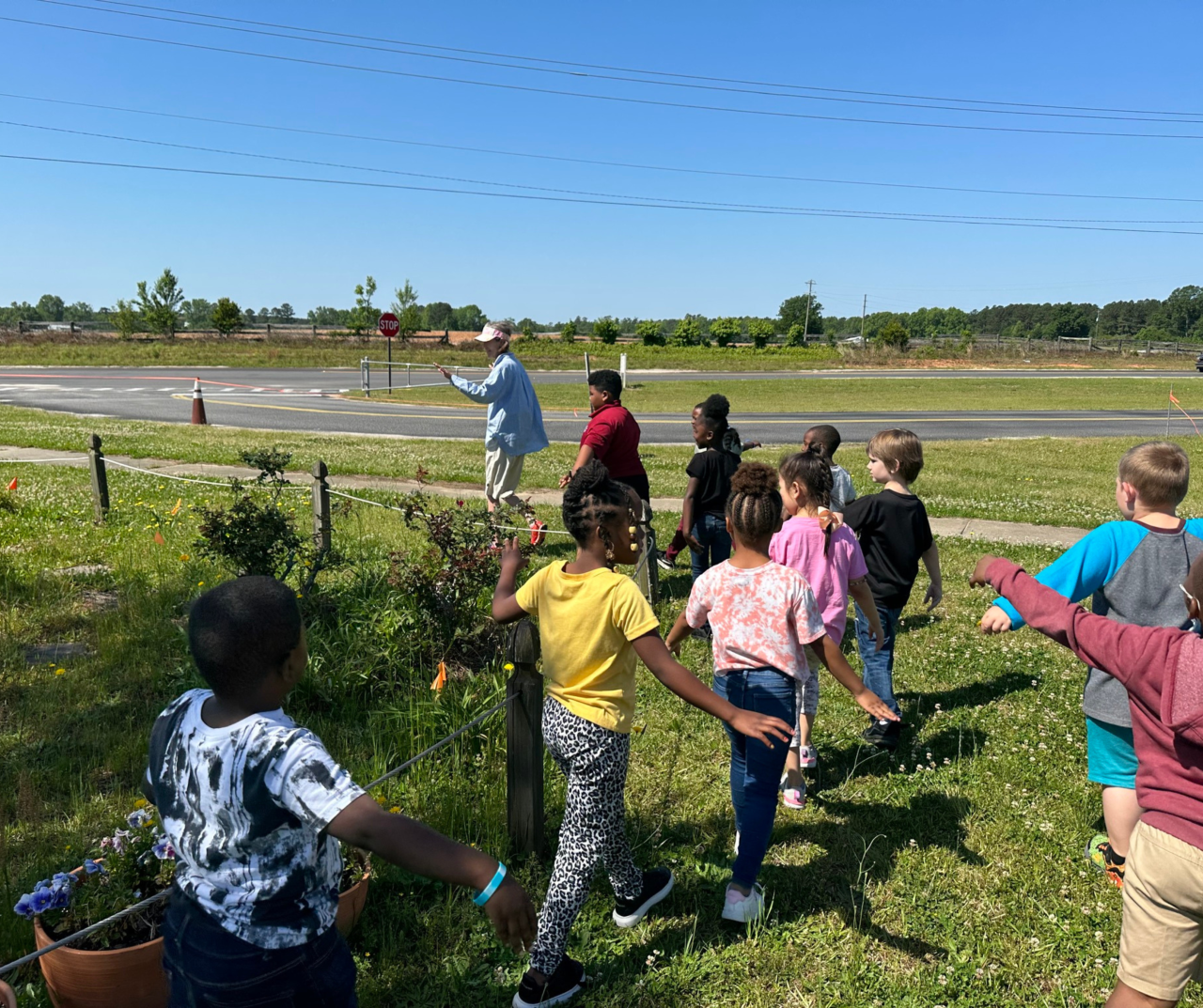
PalmettoPride, South Carolina’s statewide anti-litter organization, currently reaches approximately 50,000 students each year. By partnering with SCGSS to integrate litter prevention into classroom learning and student-led environmental projects, students will organize community cleanups, conduct litter audits and collect data, and design anti-litter awareness campaigns. These hands-on activities help students understand the causes and impacts of litter while empowering them to take meaningful action to improve their schools and communities.
The SCEO’s partnership with SCGSS focuses on expanding the integration of energy education into classroom instruction and project-based learning. By supporting energy-focused lessons and student-led projects, the initiative helps students better understand how energy is generated, used and conserved, while exploring the environmental and economic impacts of those choices.
“Energy literacy is important because it empowers our future leaders to understand energy systems and make informed, sustainable decisions,” said Chenille Williams, senior energy specialist. “Supporting Green Step Schools is an avenue to teach students about energy efficiency and conservation in our state by informing them about energy issues, preparing them for energy careers and giving them the knowledge to make a difference in their homes and communities.”
SCGSS gives students the opportunity to conduct energy audits, explore renewable energy technologies and identify ways their schools can improve efficiency and reduce energy waste.
Funding from these key partnerships has already been put to work in a meaningful way: EEASC has hired its first staff member dedicated entirely to Green Step Schools. Elizabeth Vernon (E.V.) Bell joins as program coordinator for the statewide initiative, bringing more than 20 years of experience in environmental education.
“E.V.’s depth of experience and collaborative leadership will strengthen the reach and impact of Green Step Schools across South Carolina,” said Keith Willoughby, executive director of EEASC.
Bell’s career has spanned some of South Carolina’s most impactful environmental education efforts. As education coordinator for the ACE Basin National Estuarine Research Reserve and the S.C. Department of Natural Resources, she developed K–12 programs and expanded access to environmental learning for Title I schools. At the S.C. Sea Grant Consortium, she coordinated more than 50 educator workshops and co-developed From Seeds to Shoreline, a youth salt marsh initiative now active in more than 40 schools statewide. She also helped create the Palmetto Environmental Education Certification, South Carolina’s first environmental education certification program.
EEASC’s vision for Green Step Schools is to give every student in South Carolina the chance to engage in hands-on environmental learning. With Bell’s leadership, the program now has the expertise and dedicated support to work more closely than ever with educators and students, helping them bring impactful projects to life.
For more information about Green Step Schools or to bring the program to your school, visit eeasc.org or contact EEASC at [email protected].
# # #
About the Environmental Education Association of South Carolina: The Environmental Education Association of South Carolina (EEASC) advances environmental literacy across the state through educator support, program development, and statewide partnerships. Green Step Schools is one of EEASC’s signature programs.

Sign up for our Sunday Spectator. Delivered to your inbox every Sunday, with all the news from the week.