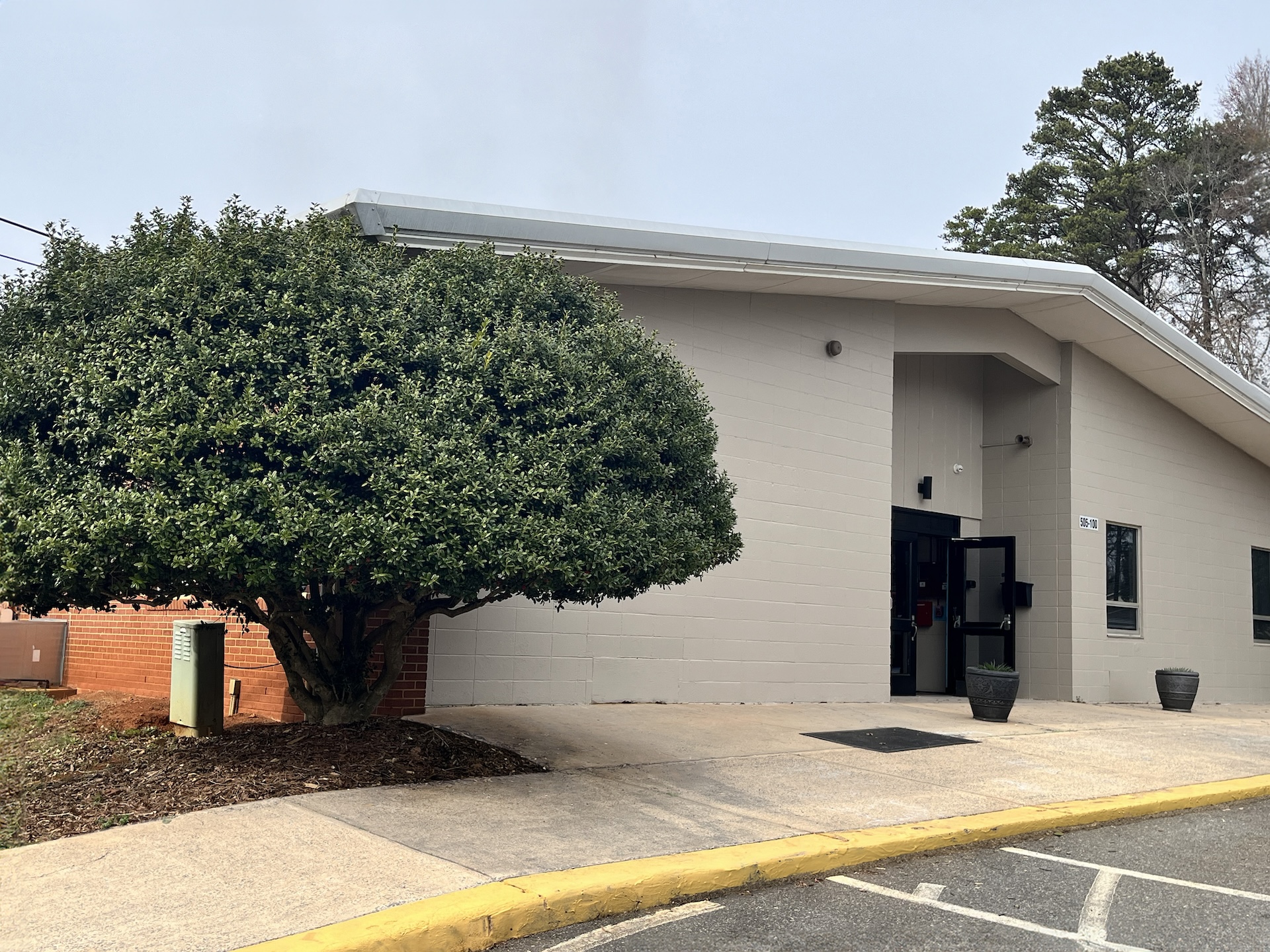

According to new research by Yardi Matrix, the national office market is navigating a complex period of correction, with Charlotte, North Carolina, emerging as a primary focal point for shifting values. While many major U.S. metros are seeing minor fluctuations in asking prices, Charlotte has recorded the largest drop in office listing rates among the top 25 markets analyzed.
Charlotte Leads the Nation in Listing Price Reductions
The February 2026 U.S. Office Market Report highlights a national downward trend, with the average listing rate for office space falling to $32.55 per square foot—a 2.5% decrease year-over-year. However, the decline in the Queen City was significantly more pronounced.
Charlotte saw a 5.5% drop in listing prices over the last 12 months, the steepest decline of any major market in the study. As of January 2026, the average full-service equivalent listing rate in Charlotte sat at $32.62 per square foot. While this figure remains slightly above the national average, the rapid pace of the price adjustment underscores a cooling period for a city that has historically been a high-growth banking and tech hub.
A Market of Contradictions: Prices Fall While Jobs Grow
Interestingly, the Yardi Matrix data presents a paradox for the Charlotte market. Despite the sharpest drop in asking prices, Charlotte continues to lead the nation in other fundamental areas:
-
Employment Growth: Charlotte ranked at the top of the list for office-using employment growth, seeing a 3.6% year-over-year increase. This was driven largely by a 2.74% surge in professional and business services.
-
Strong Occupancy: While listing prices are being slashed to attract tenants, the city’s vacancy rate remains relatively healthy. At 17.5%, Charlotte’s office vacancy is lower than the national average of 18.2% and significantly better than tech-heavy peers like Seattle (27.1%) and San Francisco (24.7%).
The National Landscape
Charlotte was not alone in its price corrections. Other markets following closely behind with significant listing rate drops included:
-
Houston: -5.3%
-
Denver: -5.3%
-
Orlando: -4.5%
Conversely, some markets are defying the downward trend. Atlanta saw an 11.2% increase in listing rates, and Los Angeles saw a 10.7% jump, signaling a widening gap between markets that are successfully “flight-to-quality” and those undergoing broader resets.
Looking Ahead
The research by Yardi Matrix suggests that the “disruptive environment” of the post-pandemic office world is far from settled. In Charlotte, the aggressive lowering of listing prices may be a strategic move by landlords to capitalize on the city’s strong job growth and keep vacancy rates in check. By offering more competitive rates, Charlotte is positioning itself to absorb the steady influx of professional service firms even as the national pipeline for new office construction continues to shrink.
For businesses looking for a foothold in a high-growth Southeast hub, the current data suggests that Charlotte currently offers a unique window of opportunity: high job growth paired with some of the most aggressive price corrections in the country.

Sign up for our Sunday Spectator. Delivered to your inbox every Sunday, with all the news from the week.