The Palmetto State’s tourism industry reached a historic milestone in 2025, generating a total economic impact of $31 billion. According to the South Carolina Department of Parks, Recreation and Tourism (SCPRT), this represents a $1 billion increase over previous records, driven largely by $6 billion in hotel and vacation rental revenue during the 2025 calendar year.
While the state as a whole is celebrating these gains, the data reveals a shift in visitor behavior. While inland and nature-based destinations are seeing significant growth, traditional coastal hubs like the Grand Strand are navigating a slight cooling period.
Nature and Conservation Driving Growth
Governor Henry McMaster attributed much of the state’s success to its diverse natural resources. He noted that because a significant portion of visitors travel to the state specifically for its environmental assets, there is a heightened need for conservation and preservation to keep pace with rapid development.
The Governor highlighted that several projects are currently underway to protect coastal and natural areas, ensuring that the state’s outdoor appeal remains intact despite the uptick in construction.
Challenges on the Coast
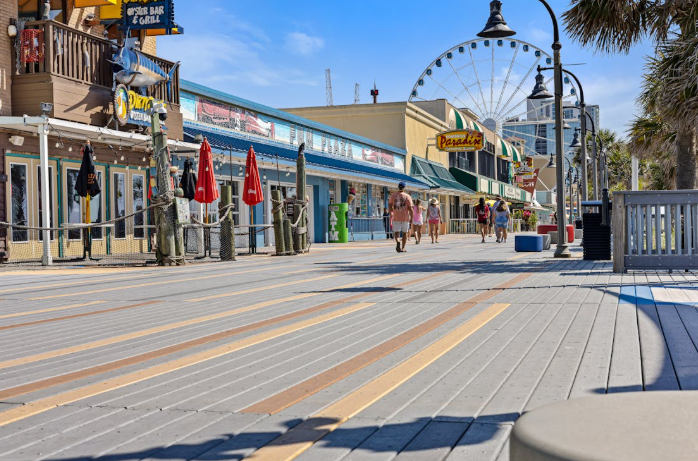
Despite the statewide record, Myrtle Beach and the surrounding Grand Strand area reported a 3% decline in occupancy recently. Industry leaders at Visit Myrtle Beach identified a lack of international travel and broader economic pressures as the primary factors for this local dip.
However, state tourism directors remain optimistic. Officials expect coastal numbers to rebound as inflation continues to stabilize, which would likely make traditional beach vacations more accessible to domestic travelers who may have previously tightened their budgets.
A Diverse Statewide Appeal
The $31 billion impact suggests that South Carolina is successfully diversifying its reputation beyond being a summer beach destination. From the historic streets of Charleston and the growing culinary scene in the Upstate to the vast state parks and river preserves, the state is increasingly viewed as a year-round, multi-faceted destination.
As the state moves into the 2026 season, officials plan to continue balancing aggressive tourism marketing with the protection of the natural resources that have made South Carolina a leader in the Southeast travel market.

Sign up for our Sunday Spectator. Delivered to your inbox every Sunday, with all the news from the week.