


Attorney General Alan Wilson, joined by leadership from the South Carolina Human Trafficking Task Force and various law enforcement agencies, released the state’s 2025 Annual Report at the State House today. The document provides a comprehensive look at the prevalence of human trafficking across the Palmetto State, revealing that the crime has touched nearly every corner of South Carolina over the past year.
According to the report, the South Carolina Law Enforcement Division (SLED) investigated 315 tips in 2025, involving more than 300 potential victims. A significant majority of these investigations involved minors, highlighting a critical vulnerability among the state’s youth.
Geographic Trends and Top Counties
The reach of human trafficking in 2025 was nearly statewide, with investigations occurring in 41 of South Carolina’s 46 counties. Only five counties reported no cases during the calendar year.
Counties with the Highest Number of Investigations:
| County | Number of Investigations (2025) |
| Greenville | 35 |
| Berkeley | 30 |
| Charleston | 30 |
| Richland | 28 |
| Lexington | 27 |
| Dorchester | 21 |
While National Human Trafficking Hotline data was unavailable this year due to an operator transition, the report utilized statistics from the Department of Social Services (DSS) and the Department of Juvenile Justice (DJJ). These figures underscore the multiple entry points where minor victims are typically identified within the state system.
First-in-Nation Safe House Certification
A major milestone highlighted in the report is the launch of the South Carolina Safe House Certification Program. South Carolina has become the first state in the nation to implement a mandatory statewide certification for specialized human trafficking programs.
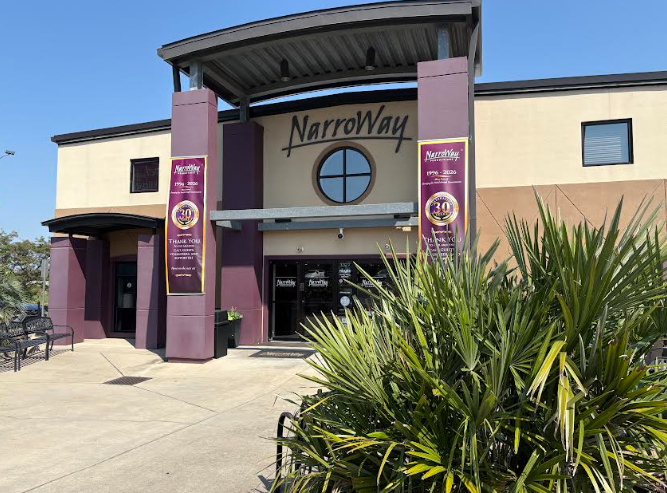
In partnership with the Safe House Project, the Task Force has already certified four organizations that provide direct services to survivors:
These certified programs are now part of a central online resource directory designed to help the public, victims, and the court system identify legitimate, high-quality specialized services.
The data collected in this report is expected to shape future initiatives, including specialized training, prevention education, and public awareness campaigns.
Sign up for our Sunday Spectator. Delivered to your inbox every Sunday, with all the news from the week.