

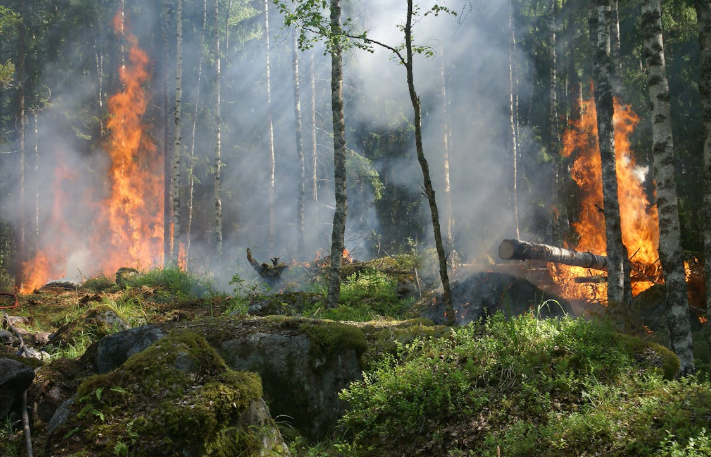

State emergency officials and the National Interagency Fire Center are alerting residents across South Carolina to an elevated risk of wildfires as the state enters its most volatile burning period. The peak wildfire season, which typically runs from January through mid-April, is expected to be particularly active this year due to a combination of climate patterns and an abundance of dry surface fuels.
While wildfires can occur at any time, the late winter and early spring months present a unique danger as vegetation remains dormant and air humidity levels drop significantly.
Statewide Vulnerability: From the Mountains to the Coast
The threat is not confined to any single region of the state. The destructive potential of South Carolina’s wildfire season was demonstrated last April when two massive blazes struck opposite ends of the state:
-
Upstate: A 13,000-acre wildfire in Pickens County required large-scale evacuations and closed major roadways.
-
Lowcountry: A 2,000-acre fire in Horry County challenged coastal responders and impacted residential communities.
Officials note that the vegetation grown during the previous summer has now become dry, dead fuel. When this ground cover is paired with the high winds common this time of year, fires can ignite easily and move with extreme speed.
The La Niña Influence
Meteorologists are tracking a La Niña weather pattern for the 2026 season, which historically correlates with warmer and drier conditions for the Southeastern United States. This climate driver shifts storm tracks away from the region, leading to decreased rainfall and lower-than-average soil moisture. These factors, combined with seasonal gusts of 30 to 40 miles per hour, create an environment where small outdoor fires can quickly become uncontrollable.
Prevention and Legal Responsibilities
Data from the South Carolina Forestry Commission indicates that 98% of all wildfires in the state are caused by human activity. Debris burning remains the leading cause of these incidents. Because of this high human impact, state law mandates strict precautions for anyone burning outdoors in unincorporated areas.
| Regulation | Requirement for Outdoor Burning |
| Notification | Residents must notify the Forestry Commission before starting a fire. |
| Firebreaks | A cleared perimeter of bare dirt must surround the burn area. |
| Supervision | Fires must never be left unattended until fully extinguished. |
| Suppression | Water sources and tools must be immediately available on-site. |
Experts recommend that residents check daily fire weather forecasts and voluntarily postpone any burning on days characterized by low humidity or high winds. Following these simple safety rules can prevent the vast majority of statewide wildfires before they start.
Sign up for our Sunday Spectator. Delivered to your inbox every Sunday, with all the news from the week.

Patrick Byrne lives in Tega Cay with his wife and two daughters. After 25 years working for a Big 4 bank, he retired to pursue his passion for writing. Additional articles and content can be found on his blog (reverian1776.blogspot.com) and freethepeople.org.