

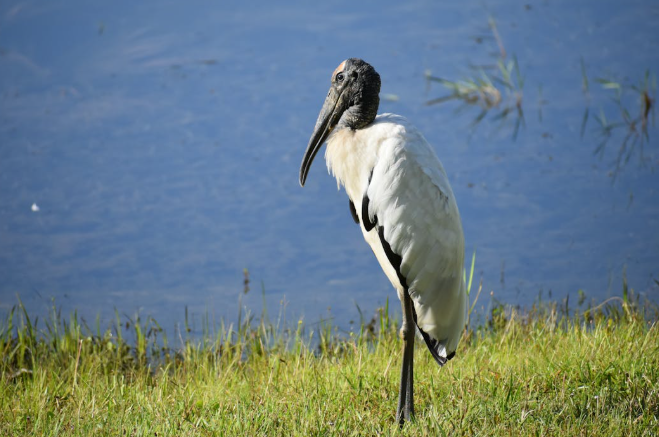

In a landmark victory for wildlife conservation, the U.S. Fish and Wildlife Service officially announced today that the wood stork has been removed from the federal list of endangered and threatened wildlife. The delisting, effective March 9, 2026, marks the first bird species to be delisted during the current administration and highlights a major shift in stewardship back to the states.
Once on the brink of extinction, the wood stork population has seen a dramatic resurgence. Since its initial listing in 1984, the breeding population has more than doubled, now estimated at 10,000 to 14,000 nesting pairs across approximately 100 colonies.
While the wood stork was historically concentrated in the Florida Everglades, South Carolina has played a large role in the bird’s recovery. As habitat loss impacted southern regions, the storks migrated north, finding refuge in South Carolina’s unique landscape of coastal salt marshes and floodplain forest wetlands.
Notably, the state’s historic rice fields—many of which are now managed as private and public waterfowl impoundments—have become premier foraging and nesting grounds. These “managed wetlands” have provided the consistent water levels the birds require for successful breeding, allowing South Carolina to host a significant percentage of the nation’s total nesting colonies.
The delisting reflects a policy focus on results-driven wildlife management and the reduction of federal restrictions. By removing the wood stork from the Endangered Species Act (ESA), the responsibility for managing the species now returns to state agencies like the South Carolina Department of Natural Resources (SCDNR).
Since 2017, the federal government has delisted 36 species due to successful recovery efforts. Federal officials noted that the wood stork’s ability to adapt to human-created wetlands and new geographic areas in the Carolinas was a primary factor in the decision to remove federal protections.
Despite the delisting, the U.S. Fish and Wildlife Service will implement a 10-year post-delisting monitoring plan. This ensures that the population remain stable as the birds continue to navigate environmental changes. In South Carolina, biologists will continue to monitor active colonies in the ACE Basin and Santee Delta to ensure the species remains a permanent fixture of the state’s coastal ecosystem.

Sign up for our Sunday Spectator. Delivered to your inbox every Sunday, with all the news from the week.