South Carolina Governor Henry McMaster has officially signed the Smart Heart Act into law, establishing rigorous new cardiac emergency preparedness standards for schools across the state. The legislation is the result of two years of dedicated advocacy from a broad coalition of medical professionals, educators, and families.
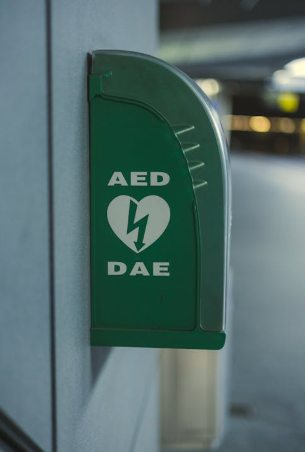
The new law requires every public school in South Carolina to develop and implement a formal Cardiac Emergency Response Plan (CERP). A central pillar of the Act mandates that automated external defibrillators (AEDs) be readily accessible at all school athletic venues. This requirement extends to off-site events where school teams compete, ensuring a safety net for student-athletes regardless of the location.
The measure saw an unusual level of consensus in the State House, passing unanimously in subcommittee and receiving identical unanimous approval in both chambers of the General Assembly. In an effort to create a consistent safety environment statewide, the standards also apply to private schools that compete against public school teams.
Supporters of the bill emphasized that sudden cardiac arrest can be fatal within minutes if immediate intervention is unavailable. By mandating prompt access to CPR and defibrillation, the law aims to significantly increase survival rates for students, staff, and spectators.
To comply with the Smart Heart Act, schools must meet several operational criteria:
-
Response Teams: Schools must establish designated and trained cardiac response teams.
-
Regular Drills: Staff must perform routine emergency drills and annual reviews of their response plans.
-
Equipment Visibility: Defibrillators must be kept on-site, unlocked, and clearly marked for rapid retrieval.
-
EMS Coordination: Schools are required to maintain equipment properly and coordinate their emergency plans with local emergency medical services.
The Smart Heart Act is set to take effect on July 1, 2026. However, the law provides a transition period for districts to secure equipment and finalize training, with full implementation required by the start of the 2027–2028 school year.
This phased rollout is intended to give administrators the necessary time to integrate these life-saving protocols into their daily operations without straining existing resources.

Sign up for our Sunday Spectator. Delivered to your inbox every Sunday, with all the news from the week.