
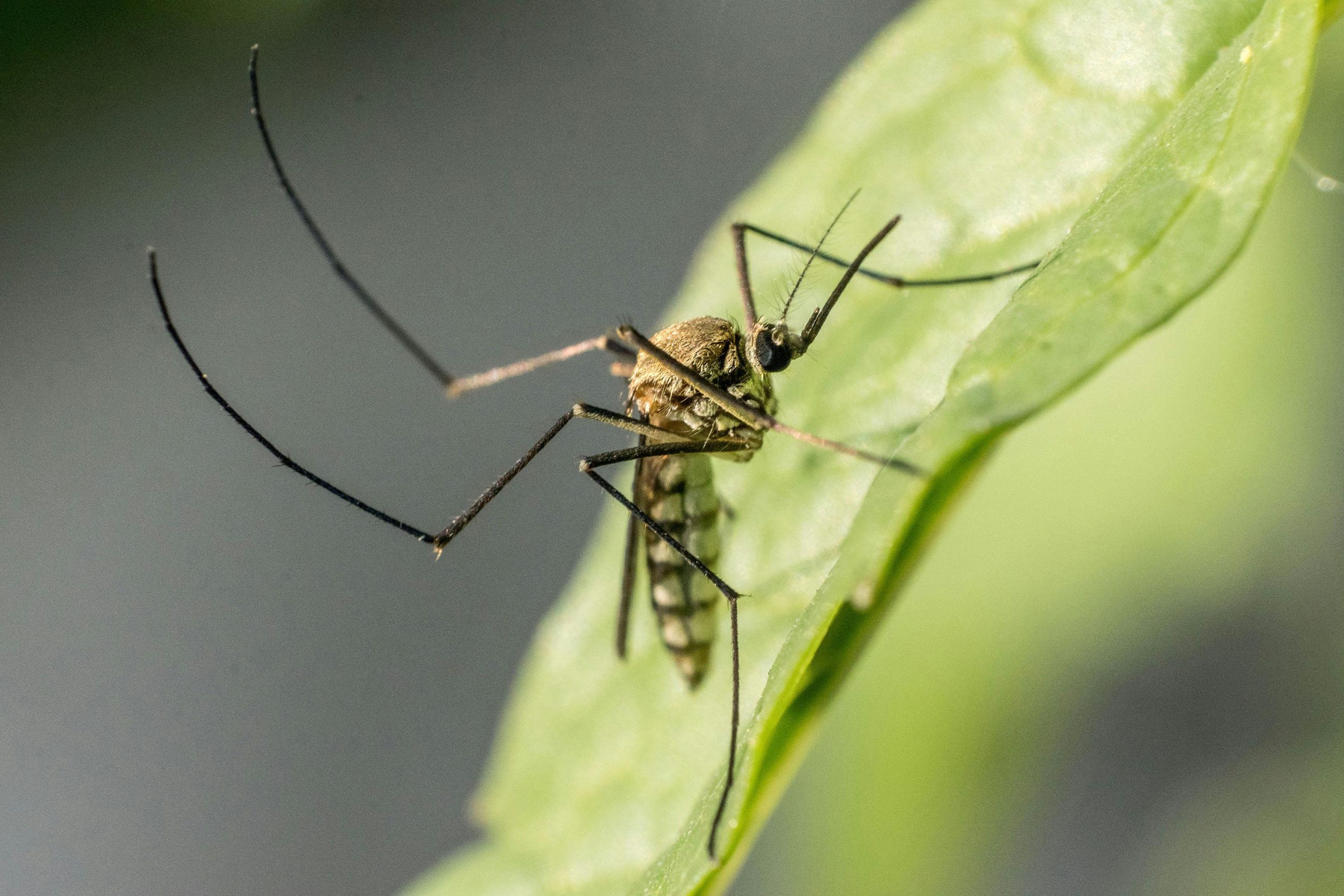
Mosquito management and bite prevention are key to limiting people’s exposure to West Nile Virus
COLUMBIA, S.C. — Residents can help the South Carolina Department of Public Health (DPH) track West Nile virus this spring and summer by submitting certain species of dead birds for lab testing.
DPH’s dead bird surveillance program helps the agency identify where and when there is an increase in West Nile virus (WNV) activity, as a high rate of birds infected with the disease indicates an overall increase of the virus in a certain area. DPH notifies local officials when there is increased WNV activity within their community so they can take appropriate actions to reduce the risk of WNV infections in both people and animals.
“By submitting dead birds, you help provide an early warning so that local government or mosquito control providers can safeguard the health of residents,” says Dr. Chris Evans, State Public Health Entomologist. “Timely mosquito control, preventing mosquito bites, and eliminating mosquito larval habitats is the best way to protect your community from illness.”
Mosquitoes become infected with WNV when they feed on infected birds that carry the virus in their blood. After one to two weeks, infected mosquitoes can transmit WNV to people and other animals.
“Most people infected with West Nile virus have no symptoms, and although the risk of serious illness is low, potentially fatal inflammation of the brain can occur in infected people, a condition known as encephalitis, which can result in permanent disabilities,” said Dr. Linda Bell, DPH State Epidemiologist. “The primary way to get West Nile virus is from the bite of an infected mosquito, which is why mosquito bite prevention and control are so important in reducing human exposures.”
The amount of WNV activity varies from year to year. In 2024, 30 birds were tested from 12 counties, six of which tested positive for West Nile virus. In 2025, 23 birds were tested from 12 counties with zero positives. Getting accurate data indicating mosquito-borne disease activity relies on an adequate number of dead birds being submitted. DPH’s Mosquito-Borne Disease Viewer map shows current and historic county-level information for identified non-human instances of WNV and other mosquito-borne diseases.
DPH doesn’t perform mosquito control. However, the agency does provide current information that helps individuals, communities and local mosquito control programs take action to reduce mosquito populations and prevent bites. Mosquito control programs are managed at the local level.
Specifically, DPH asks residents to submit recently deceased crows, blue jays, house finches, house sparrows and other songbirds that appear not to have been injured and are not decayed. These species of birds are more susceptible to WNV than other species, making them good candidates for testing. Birds of other types will be tested on a case-by-case basis.
Deceased birds can be reported or submitted to DPH at local public health departments March 16 through November 30. To safely collect a dead bird, residents should:
- Use gloves or pick up the bird with doubled, plastic bags. Do not touch a bird, dead or alive, with bare hands.
- Keep the bagged bird cool until it can be placed on ice or in a refrigerator. If you can’t deliver the bird carcass to DPH within 36 hours of collection, freeze it until you are able to deliver it or have it shipped.
- Download and complete a Dead Bird Submission and Reporting Sheet. Take the sheet and dead bird to a local DPH office during normal business hours (8:30 a.m.-5 p.m., Monday-Friday). See a list of available DPH offices for drop-off; WIC-only public health departments can’t accept birds.
For more information, including locating a local DPH office for submitting deceased birds, visit dph.sc.gov/birdtesting or contact the Vector-Borne Diseases Laboratory at 803-896-3802 or [email protected].
Additional information about WNV and mosquito management tips are available at dph.sc.gov/mosquitoes.

Sign up for our Sunday Spectator. Delivered to your inbox every Sunday, with all the news from the week.