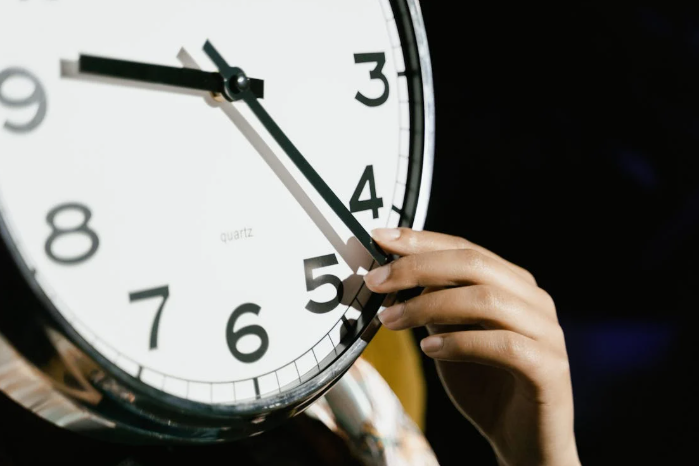
Despite ongoing legislative efforts to eliminate the biannual clock shift, Daylight Saving Time will officially begin this weekend.
At 2:00 a.m. on Sunday, March 8, clocks will move forward one hour. While this results in the loss of one hour of sleep on Saturday night, it also marks the beginning of later sunsets and extended evening daylight for the spring and summer months.
The 2026 Time Change Schedule
South Carolina follows the federal standard established by the Uniform Time Act of 1966. For 2026, the transitions are scheduled as follows:
| Event | Date | Action |
| Spring Forward | Sunday, March 8, 2026 | Move clocks forward 1 hour |
| Fall Back | Sunday, November 1, 2026 | Move clocks back 1 hour |
Most digital devices, including smartphones, computers, and smartwatches, will update automatically. However, manual clocks in vehicles and appliances will require a hand-adjustment.
The Status of Permanent Daylight Saving Time
The looming time change comes as South Carolina lawmakers continue to advocate for a permanent end to the “falling back” and “springing forward” cycle.
South Carolina is one of nearly 20 states that has already passed legislation to observe Daylight Saving Time year-round. However, state-level laws cannot take effect without a change to federal law. While the Sunshine Protection Act has been introduced in Congress multiple times to allow for permanent Daylight Saving Time, the bill remains stalled. Until federal authorization is granted, the state must continue to alternate between standard and daylight time.
Safety and Health Reminders
Public health officials and emergency responders use the start of Daylight Saving Time as a reminder for several home safety checks:
-
Check Alarms: Use the time change as a cue to replace batteries in smoke detectors and carbon monoxide alarms.
-
Adjust Gradually: To minimize the impact on the body’s internal clock, health experts recommend going to bed 15 to 20 minutes earlier each night leading up to the Sunday shift.
-
Morning Commute: Drivers should be aware that Monday morning’s commute will be darker than usual, requiring extra caution for school children at bus stops and pedestrians.
Following the change on Sunday evening, residents will notice significantly more light during the typical dinner hour, with sunsets occurring well after 7:00 p.m.

Sign up for our Sunday Spectator. Delivered to your inbox every Sunday, with all the news from the week.