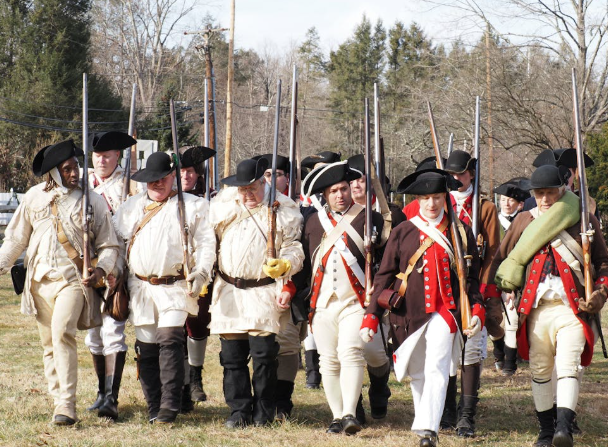
As the United States approaches its 250th anniversary in 2026, South Carolina is launching a massive effort to spotlight its pivotal role in the American Revolution. The South Carolina American Revolution Sestercentennial Commission, commonly known as SC250, is leading a statewide initiative to preserve battlefields, enhance heritage tourism, and educate the public on the “Southern Campaign” that ultimately secured American independence.
Unlike the early years of the war in the North, the conflict in the South was often a brutal civil war between neighbors—Patriots and Loyalists. SC250 aims to bring these stories to life through new signage, interactive trails, and community grants, ensuring that every county in the state can showcase its unique revolutionary history.
While local battlefields are well-known, a two-hour drive opens up a vast network of the Liberty Trail, connecting the mountains to the Midlands.
Explore revolutionary history right here in York and Lancaster counties, or venture just a short drive away for a perfect day trip.
Local “Turning Point” sites that shattered British morale in 1780
-
Kings Mountain National Military Park: Often called the “turn of the tide” in the South, this park marks the site where Patriot “Overmountain Men” defeated a Loyalist force in October 1780. Visitors can walk the battlefield trail and explore the visitor center’s exhibits.
-
Historic Brattonsville (Battle of Huck’s Defeat): Located in McConnells, this 800-acre living history site tells the story of how local militia surprised and defeated British Captain Christian Huck. It features more than 30 historic structures and an interpretive battlefield trail.
-
The McCelvey Center & Southern Revolutionary War Institute: Located in York, this facility serves as a research hub for those looking to dive deeper into the genealogy and military records of the era.
-
Buford’s Massacre (The Battle of the Waxhaws): This site marks one of the most controversial events of the war, where British Colonel Banastre Tarleton’s forces were accused of slaughtering Virginia Continentals who were attempting to surrender. The battlefield features monuments and interpretive waysides.
-
Andrew Jackson State Park: The seventh U.S. President was a boy during the Revolution, serving as a messenger in the Waxhaws. The park museum features artifacts from backcountry life during the war and tells the story of the local “Waxhaw Settlement.”
-
Hanging Rock Battlefield: Located near Heath Springs, this site commemorates a 1780 battle where General Thomas Sumter led a surprise attack on a British garrison. A mowed interpretive trail allows visitors to traverse the rugged landscape where the fighting occurred.
Destinations Within a 2-Hour Drive
Expanding the search radius reveals the sheer scale of the Southern Campaign. These sites offer unique perspectives on the war, from formal continental battles to grueling sieges.
-
Cowpens National Battlefield (Gaffney): This is where General Daniel Morgan utilized a brilliant “double envelopment” tactic to defeat the feared British Colonel Banastre Tarleton. The site features a pristine battlefield, a walking trail, and an auto-tour.
-
Musgrove Mill State Historic Site (Clinton): Nestled along the Enoree River, this site commemorates a 1780 battle where a smaller Patriot force defeated a combined British and Loyalist unit. The park features beautiful waterfalls alongside its military history.
-
Ninety Six National Historic Site (Ninety Six): Home to the longest field siege of the American Revolution. Visitors can still see the original Star Fort, a rare surviving example of 18th-century earthwork engineering, and the remains of the colonial village.
-
Old Santee Canal Park (Moncks Corner): While known for the canal, this area was a hotbed of “Swamp Fox” Francis Marion’s activity. Nearby sites like the Battle of Biggin Bridge illustrate the guerilla warfare that paralyzed British supply lines.
The SC250 Commission is encouraging local residents to get involved by joining county committees or participating in archaeological research. With the official sestercentennial anniversary approaching, these sites are expected to host major reenactments and commemorative events throughout 2025 and 2026.

Sign up for our Sunday Spectator. Delivered to your inbox every Sunday, with all the news from the week.