
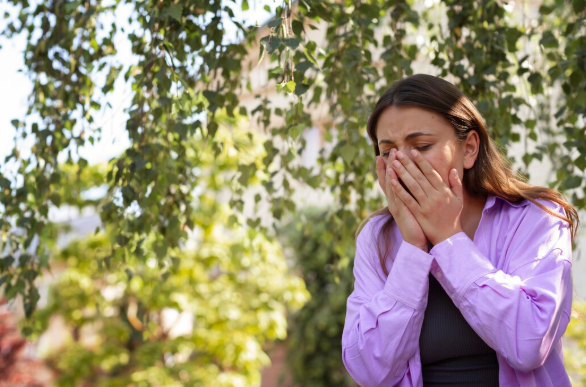
While the calendar says it is mid-February, South Carolina’s trees are sending a clear message to allergy sufferers: spring has already arrived. With temperatures climbing toward the 70s this week, early-season tree pollens have begun their annual surge, triggering symptoms for residents across the state.
In the Carolinas, tree pollen frequently appears as early as February, often peaking in March and April before grass and weed pollens take over in the summer and fall.
The “Double Whammy” of Weather
The current combination of warm afternoons and breezy conditions creates the ideal environment for pollen to spread. Experts note that while recent rains provided a temporary reprieve by washing particles out of the air, levels typically rebound quickly once the ground dries.
In regions like the Upstate and the Midlands, the early start to the season is driven by mild winters that signal trees to release pollen sooner than in northern states. In the Lowcountry, high humidity and coastal breezes can further exacerbate issues by keeping mold spores and pollen active simultaneously.
Strategies for Relief
Health professionals recommend that individuals sensitive to seasonal changes take preemptive steps to manage their symptoms:
-
Strategic Timing: Pollen levels are generally at their highest during the early morning hours. Plan outdoor exercise for the late afternoon or evening when counts tend to dip.
-
Environmental Control: Keep home and car windows closed during high-pollen days. Utilizing a high-efficiency particulate air (HEPA) filter in your HVAC system can significantly reduce indoor irritants.
-
Personal Hygiene: After spending time outdoors, shower and change clothes to remove “cling-on” pollen from skin and hair.
-
Early Intervention: Starting over-the-counter antihistamines or nasal sprays before symptoms reach their peak is often more effective than trying to treat an active allergic reaction.
Looking Ahead
While tree pollen remains the primary culprit for now, South Carolinians should prepare for pine and oak to join the mix in the coming weeks. For those with severe symptoms that do not respond to standard treatments, specialists suggest consulting an allergist about immunotherapy or “allergy shots,” which can provide long-term desensitization to local triggers.

Sign up for our Sunday Spectator. Delivered to your inbox every Sunday, with all the news from the week.