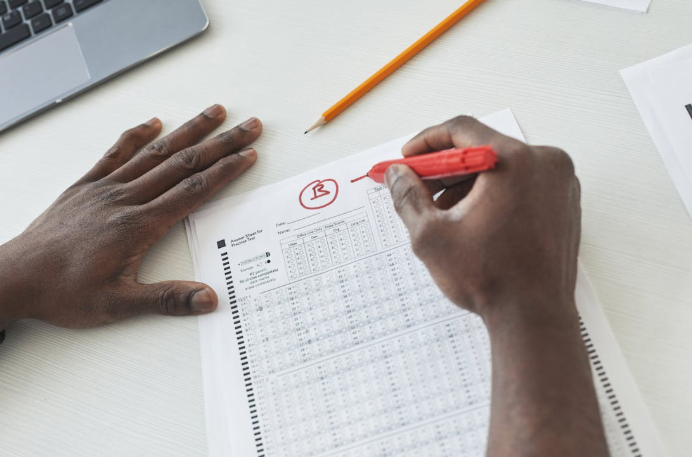
South Carolina legislators are considering a bill to ban “minimum grading,” a practice where students receive a baseline score—typically 50%—even for uncompleted work or zero-point performance. Supporters, including the Palmetto State Teachers Association, argue that these policies artificially inflate achievement data and obscure a student’s true mastery of the curriculum.
The proposal seeks to restore academic accountability by requiring grades to reflect actual student output. To ensure compliance, the bill mandates a 10% reduction in state funding for any district that continues using a grading floor.
While critics worry that financial penalties could strain under-resourced districts, proponents suggest that “real data” is necessary to identify students in need of intervention. Advocates acknowledge that the change might cause a temporary dip in graduation rates but maintain that current figures do not accurately represent college and career readiness.
The bill introduces additional rigor regarding course recovery and assessments:
-
Retake Eligibility: Students would only be allowed to retake failed courses if they submitted all original assignments on time.
-
Assessment Restrictions: The legislation would prohibit teachers from factoring formative or benchmark assessments—intended to track progress—into final grades.
Parents participating in House subcommittees have largely supported the move, stating that students should not be shielded from earned grades. The bill aims to ensure South Carolina diplomas represent a standard of merit rather than administrative policy. The proposal is expected to move through the House in the coming weeks.

Sign up for our Sunday Spectator. Delivered to your inbox every Sunday, with all the news from the week.