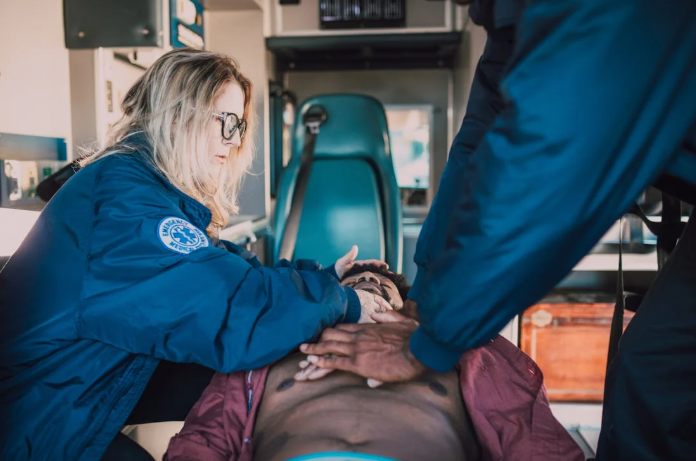
South Carolina will observe Naloxone Awareness Day on January 23, as state health officials intensify efforts to educate the public on preventing opioid overdose deaths. Supported by the South Carolina Department of Behavioral Health and Developmental Disabilities, the initiative highlights the simplicity and accessibility of the life-saving medication naloxone.
Naloxone is an FDA-approved medication designed to temporarily block the effects of opioids, including fentanyl, heroin, and prescription painkillers. By reversing these effects, the medication restores normal breathing in individuals experiencing an overdose, providing a critical window of time until emergency medical services arrive.
Recognizing the Signs of an Overdose
Health officials emphasize that the ability to identify a crisis is the first step in saving a life. Residents are encouraged to monitor for specific indicators of an opioid overdose, such as:
-
Extremely slow or irregular breathing
-
Complete unresponsiveness or inability to wake up
-
Blue or grayish tint to the skin, lips, or fingernails
Because opioids suppress the central nervous system quickly, calling 911 immediately upon noticing these signs is vital. Authorities also note that naloxone is safe to administer even if an overdose is merely suspected, as it will not cause harm to an individual who does not have opioids in their system.
How to Administer Naloxone
The state is promoting a simplified “1-2-3” approach to using the nasal spray version of the medication, which requires no medical training.
-
Prepare: Remove the device from its individual packaging.
-
Grip: Hold the device with two fingers around the nozzle and place your thumb on the plunger.
-
Dose: Insert the nozzle into the person’s nostril and press the plunger firmly to deliver the medication.
Accessibility and Community Impact
State leadership characterizes carrying naloxone as a vital community service that strengthens the public safety net. The medication is widely available across South Carolina without a personal prescription at most pharmacies. It is also distributed through various community-based programs.
The Department’s Office of Substance Use Services stresses that being prepared to act in a moment of crisis can mean the difference between a fatal encounter and a second chance at recovery. Anyone seeking more information on overdose prevention or local distribution sites are encouraged to visit the state’s official resource page at daodas.sc.gov.

Sign up for our Sunday Spectator. Delivered to your inbox every Sunday, with all the news from the week.