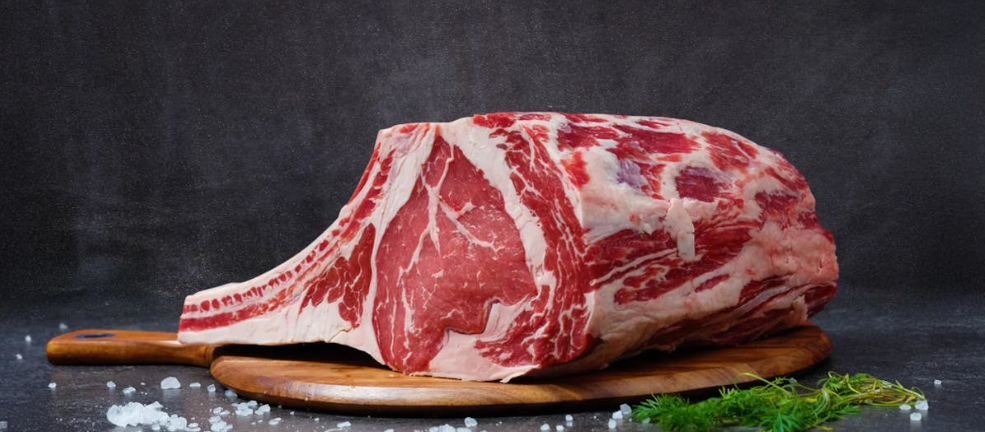
As the centerpiece of the holiday table, a perfectly prepared prime rib—also known as a standing rib roast—is the ultimate culinary statement. Whether you prefer the controlled environment of a kitchen oven or the smoky character of an outdoor grill, the secret to success lies in two main factors: internal temperature control and a “low and slow” approach.
For those aiming for restaurant-quality results, the goal is a uniform, edge-to-edge pink interior with a deeply browned, savory crust.
Selecting and Preparing the Roast
A great prime rib starts at the butcher counter. Look for a Choice or Prime grade roast with heavy “marbling”—the thin white streaks of fat within the meat—which ensures juiciness. A bone-in roast is generally preferred for its superior flavor and natural insulation during the cooking process.
To prepare the meat, follow these essential steps:
-
Dry Brine: At least 24 hours before cooking, season the roast generously with kosher salt and leave it uncovered in the refrigerator. This draws moisture out of the surface for a better crust and seasons the meat deeply.
-
The Rub: Before cooking, apply a paste of softened butter, minced garlic, cracked black pepper, and fresh herbs like rosemary and thyme.
-
Temperature Adjustment: Take the roast out of the refrigerator two hours before cooking to allow it to reach room temperature, ensuring it cooks evenly from the center to the edges.
Method 1: The Oven (Reverse Sear)
The Reverse Sear is widely considered the most foolproof method for a perfect roast. By cooking the meat slowly first and searing it at the very end, you avoid the “gray ring” of overcooked meat often found in traditional roasting.
-
Roast Low: Set your oven to 225°F. Place the roast on a rack in a shallow pan and cook until it reaches an internal temperature about 15 degrees below your target doneness.
-
The Rest: Remove the meat from the oven and tent it loosely with foil. Let it rest for at least 30 minutes.
-
The Blast: While the meat rests, crank the oven to 500°F. Place the roast back in for 6 to 10 minutes just before serving to create a crisp, golden-brown crust.
Method 2: The Grill (Indirect Heat)
Grilling a prime rib adds a subtle charred depth that an oven cannot replicate. This method works on both charcoal and gas grills using indirect heat.
-
Set the Zones: For a gas grill, turn on only half the burners. For charcoal, bank the hot coals to one side.
-
Indirect Cooking: Place the roast on the “cool” side of the grill, away from the flames. Close the lid and maintain a grill temperature of 250°F to 300°F.
-
Smoke (Optional): Add wood chunks (oak or hickory) to the coals or a smoker box to infuse the meat with flavor.
-
The Sear: Once the meat hits your “pull” temperature, move it directly over the hot coals or high-heat burners for 2 to 3 minutes per side to finish the exterior.
Temperature and Doneness Guide
Using a digital meat thermometer is non-negotiable for a prime rib. Use the following chart to determine when to pull your roast from the heat.
| Desired Doneness | Pull Temp (Remove from Heat) | Final Temp (After Resting) | Center Appearance |
| Rare | 110°F | 120°F – 125°F | Bright red, cool center |
| Medium-Rare | 120°F | 130°F – 135°F | Warm red, pink edges |
| Medium | 130°F | 140°F – 145°F | Warm pink throughout |
| Medium-Well | 140°F | 150°F – 155°F | Slightly pink center |
The Final Step: The Rest
Resting the meat is the most frequently skipped, yet most important, part of the process. During this time, the muscle fibers relax and reabsorb the juices. If you slice the roast immediately after it leaves the heat, the juices will run out onto the cutting board, leaving the meat dry. A 30-minute rest ensures every slice remains tender and moist.

Sign up for our Sunday Spectator. Delivered to your inbox every Sunday, with all the news from the week.