With winter temperatures upon us, homeowners are urged to take preventative measures to protect their plumbing systems from freezing, which can lead to costly and disastrous burst pipes. One of the simplest and most effective strategies is knowing when and how to run your water.
The Critical Temperature
The key to preventing frozen pipes is understanding the critical temperature range. Pipes are most vulnerable when the outside temperature is forecast to drop to 32°F (0°C) or below for an extended period, particularly overnight.
However, the real danger zone begins when the wind chill drives temperatures down to 20°F (-6°C) or lower. If your home has plumbing located in unheated areas—such as basements, crawl spaces, garages, or exterior walls—you should prepare immediately when these conditions are forecast.
The Strategy: A Slow Drip
When sub-freezing temperatures are expected, keeping water moving through the pipes prevents the formation of solid ice. Moving water has a lower freezing point and is less likely to fully freeze than stationary water.
-
Which Faucets? Choose faucets that are located on exterior walls or those known to be connected to pipes that run through unheated spaces.
-
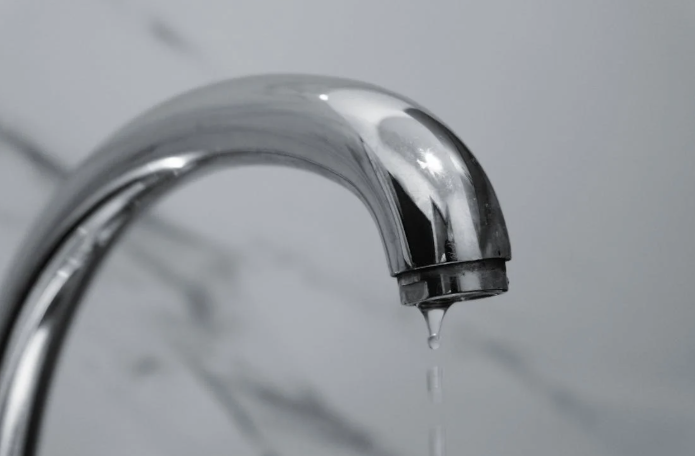
How Much? The water flow should be a slow, steady drip. A quick trickle is enough to maintain movement and prevent freezing.
-
Hot or Cold? It is best to drip both the hot and cold water to ensure movement in both lines. If you are unsure which line is more exposed, dripping both is the safest bet.
Why Dripping Works
When water freezes, it expands. This expansion creates immense pressure within the confined space of a pipe. It is not the ice itself that causes a pipe to burst, but rather the pressure build-up between the ice blockage and the closed faucet. Allowing the water to drip relieves this pressure, preventing the pipe from rupturing.
Additional Safety Tips
While dripping water is essential, homeowners should also take these steps to maximize protection:
-
Insulate: Wrap exposed pipes in unheated areas (attics, crawl spaces, basements) with pipe insulation, heat tape, or newspaper.
-
Open Cabinets: Open kitchen and bathroom cabinet doors on exterior walls to allow warmer air from the room to circulate around the plumbing underneath the sink.
-
Heat: Ensure that all areas containing water pipes, such as crawl spaces, are heated, even minimally, during extreme cold snaps.
By understanding the temperature thresholds and employing a simple, steady drip, you can significantly reduce the risk of dealing with the expense and damage caused by a burst pipe this winter.

Sign up for our Sunday Spectator. Delivered to your inbox every Sunday, with all the news from the week.