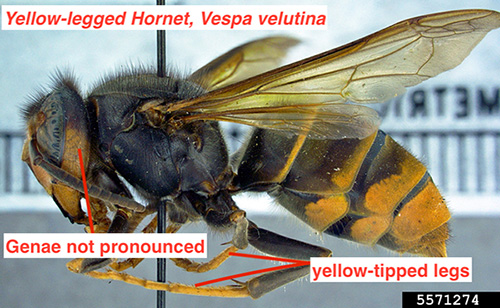
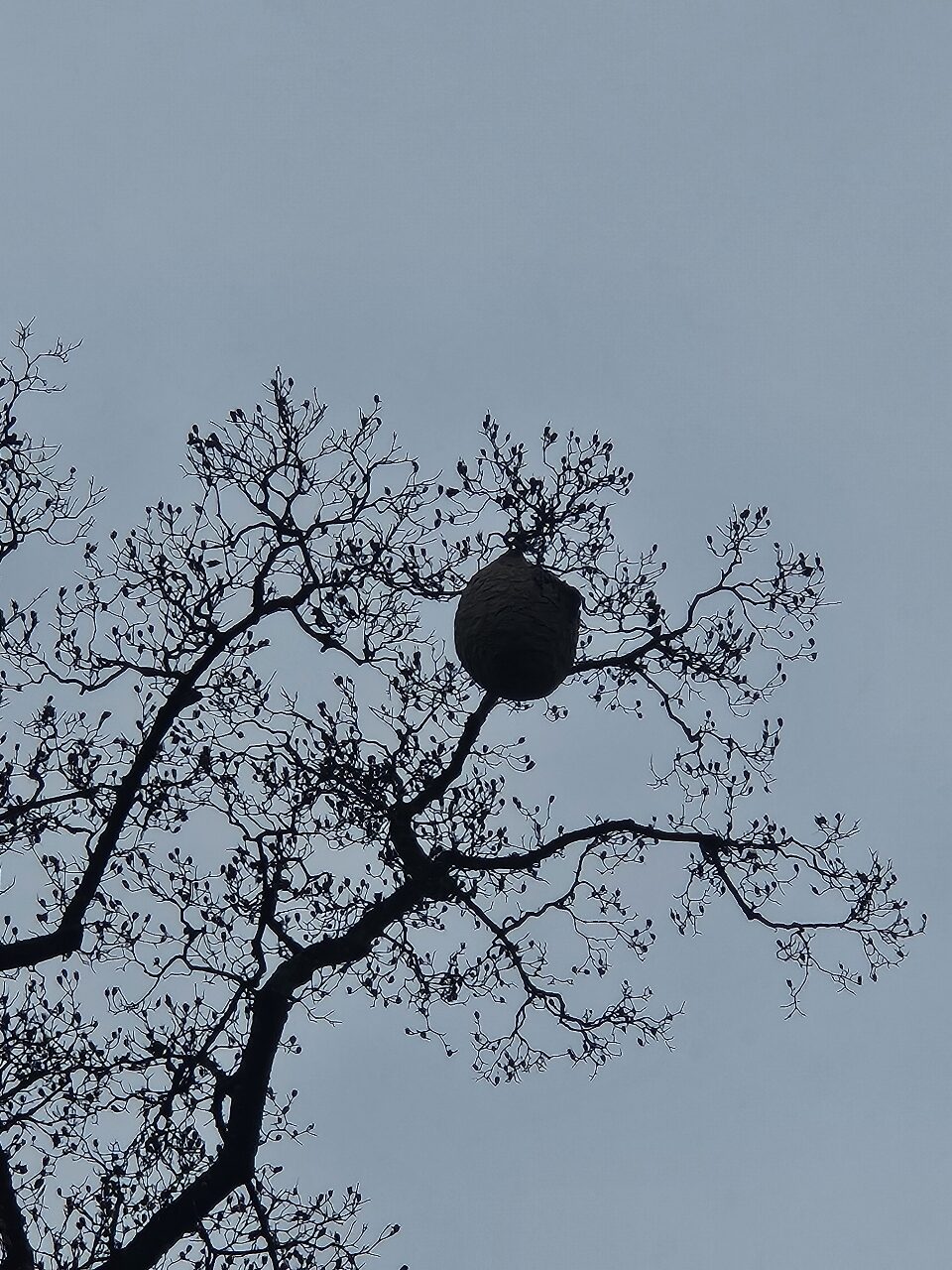
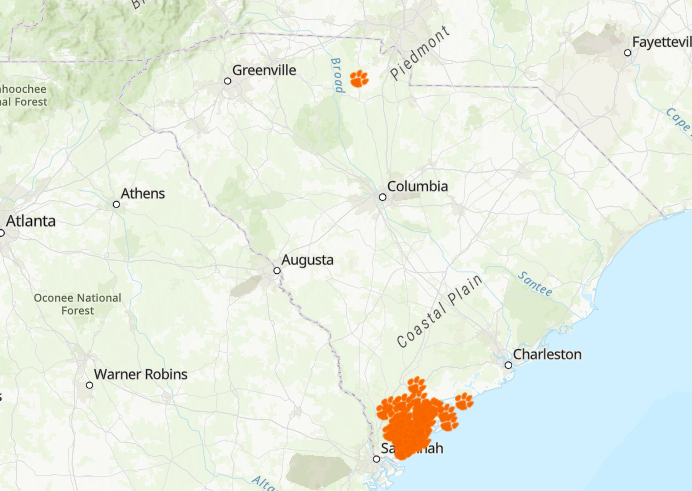
MCCONNELLS, SC – Officials with the Clemson University Department of Plant Industry (DPI) confirmed a significant spread of the invasive yellow-legged hornet (YLH) this week, announcing the discovery of a nest in McConnells, York County, the first confirmed detection of the species outside of South Carolina’s Lowcountry region.
The discovery, which took place on Monday, December 8, marks a concerning development in the state’s multi-year effort to contain the destructive pest, which poses a substantial threat to honeybee populations and the agricultural industry.
Beekeeper’s Alert Leads to Nest Location
The initial report came from a vigilant local beekeeper who noticed unusually aggressive behavior near their hives, a phenomenon known as “hawking.” This is where the yellow-legged hornets hover outside a beehive, capturing and preying on worker bees.
The beekeeper immediately alerted DPI inspectors, who utilized specialized trapping and tracking methods to successfully locate the hornet nest. The DPI has announced that the nest will be removed later this week by trained personnel to safely eliminate the colony.
For more than two years, the DPI has focused its containment efforts on the Lowcountry, making this confirmed report in York County a major new challenge for the state’s pest management teams.
Threat to Pollinators
The yellow-legged hornet, native to Southeast Asia, is a known predator of honeybees and other social wasps. Its potential to inflict damage on managed and wild bee populations is the primary concern for agricultural officials, as beekeeping plays a crucial role in crop pollination.
This northern expansion of the hornet’s confirmed range emphasizes the need for public vigilance across the entire state.
Public Urged to Report Sightings
Clemson DPI is calling on residents, particularly those in the Upstate and Midlands, to be aware of the distinctively marked insect and to report any suspected activity.
If you observe a suspected yellow-legged hornet, a nest, or witness “hawking” activity near beehives, you are asked to take the following steps:
-
Report the sighting immediately through DPI’s online reporting tool.
-
Include photos of the activity or hornet if it is safe to do so.
-
Do not disturb the nest. Nests must be left untouched so that trained inspectors can remove and dispose of the hornets safely.
The DPI stresses that public reporting remains one of the most effective tools in the early detection and containment of this invasive species.

Sign up for our Sunday Spectator. Delivered to your inbox every Sunday, with all the news from the week.