
As part of our continuing effort to bring local news that’s impactful to our readers, we’ve proactively reached out to the candidates running for the South Carolina Governor
We will not manipulate their answers in any way, we’ll simply provide to you, our readers. This will allow you to make an informed choice.
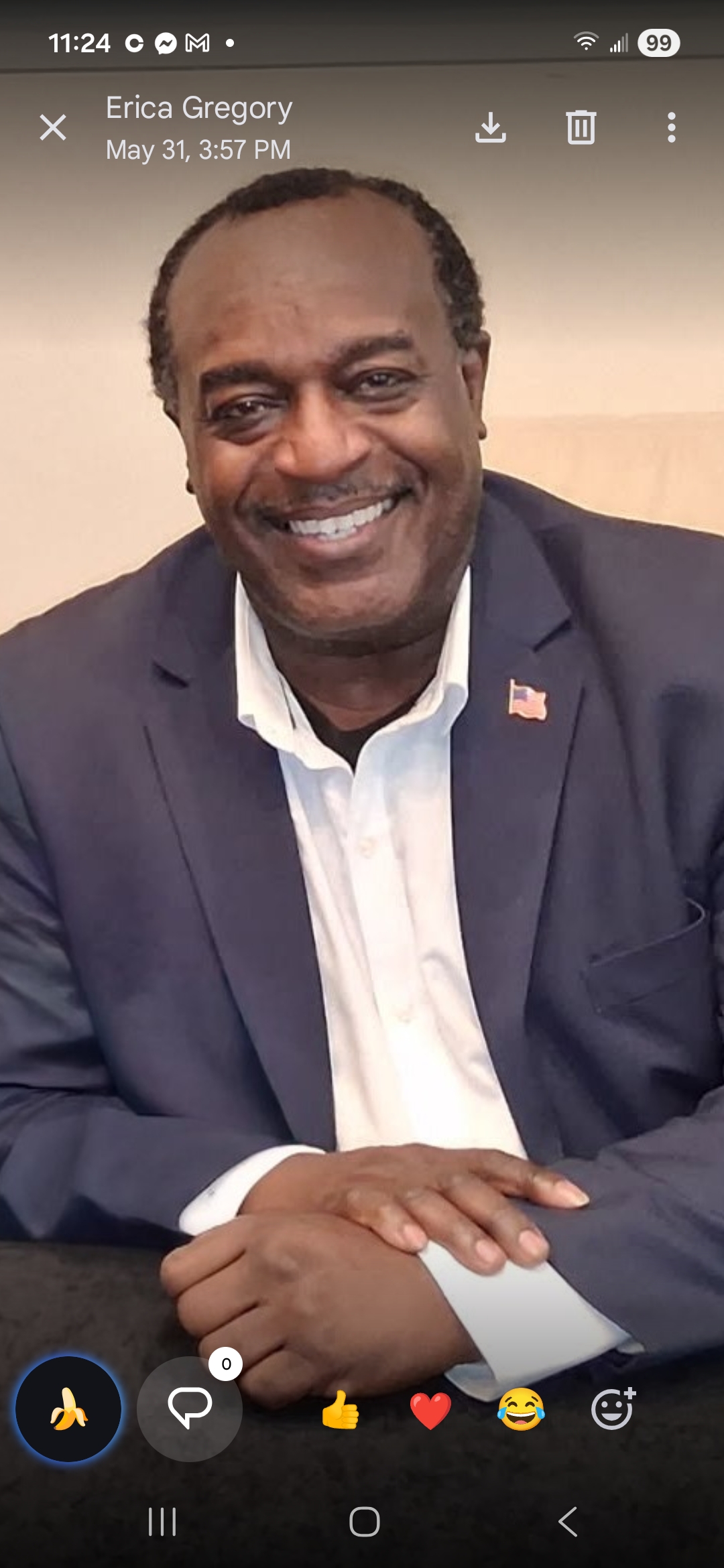
This week, we’ll introduce Dr. Michael A. Addison
What is the top priority for the state and how do you plan to address it?
My top priority is making South Carolina a state where people can afford to live, obtain healthcare, and build a secure future. Economic development should be measured not simply by corporate announcements, but by whether South Carolinians can pay their bills, own a home, find a good-paying job, and see a healthcare provider.
I would work with the General Assembly on an affordability agenda that combines responsible tax reform, better wages, affordable housing, and Medicaid expansion. I would strengthen workforce training and apprenticeships, support small businesses, and pursue investment in rural communities—not concentrate opportunity in a few growing metropolitan areas.
My administration would establish measurable goals and publicly report progress on healthcare access, housing, and economic opportunity. I believe government should be accountable for results, not just promises.
My goal is one South Carolina where opportunity does not depend on your ZIP code or political connections.
What policies will you advocate for to bring down costs?
Affordability requires addressing both what families pay and what they bring home. I support eliminating the state individual income tax through a responsible replacement-revenue plan, reviewing and removing unjustified corporate sales-tax exemptions, and raising the minimum wage to $15 an hour. My tax proposal includes sales-tax restructuring, including an increase as part of replacing income-tax revenue.
However, tax reform must be judged by its effect on a family’s total tax burden. I would insist on a public fiscal analysis and protections for lower-income households and people on fixed incomes. We should not shift the burden onto struggling families or undermine funding for schools, public safety, and essential services.
I would also advocate for more affordable housing through rehabilitation of existing properties, workforce-housing partnerships, and more efficient permitting without sacrificing safety. On insurance, I would pursue greater transparency in rate requests and stronger accountability for fair, timely claims handling. On utilities, I would oppose arrangements that make households subsidize large corporate users.
Medicaid expansion and stronger access to primary care would also be central to my affordability agenda. The objective is practical relief in the household budget—not a tax-cut headline followed by higher bills elsewhere.
What should South Carolina do about data centers?
South Carolina should support data centers only on a limited, carefully controlled basis. I support technological progress, but the public should not be expected to subsidize it or absorb its risks.
I oppose tax abatements for data centers. These companies should pay their fair share and cover the infrastructure costs their projects create. My position is that large data centers should operate independently of the public electric grid, with their own generation, storage, and reliable backup power—not compete with households and existing businesses for electricity. My previously stated position calls for environmentally responsible, self-powered facilities.
I would advocate for enforceable safeguards addressing water use, noise, pollution, emergency planning, and eventual site cleanup, with meaningful public input before approval.
I also support evaluating voluntary opportunities for residents to earn income by providing household computing or data-storage capacity, including systems of 100 terabytes or more. Those opportunities must have clear contracts, cybersecurity protections, and demonstrated earnings after equipment, electricity, and other expenses.
Technology should create value for South Carolinians—not leave them with the bill.
Should South Carolina expand Medicaid?
Yes. I support expanding Medicaid in South Carolina.
My healthcare priorities are access, affordability, prevention, and continuity of care. People should not have to wait until a manageable health problem becomes an emergency before they can obtain treatment.
North Carolina has already expanded Medicaid. South Carolina should move forward with its own responsibly funded expansion plan.
I would work with the General Assembly to fund the state’s share, use available federal matching dollars, and strengthen access to primary care, rural healthcare, mental-health treatment, and substance-use services. Under the federal expansion framework, the federal government generally pays 90 percent of qualifying expansion benefit costs; responsible planning must also account for the state’s share and administrative expenses.
Expansion must mean more than issuing an insurance card. My administration would focus on provider participation, timely appointments, telehealth where appropriate, and transparent oversight of spending and patient access.
Fiscal responsibility and access to healthcare are not opposing principles. South Carolina should pursue both.
What separates you from your opponents?
What separates me is the combination of practical experience, community service, and independent judgment I would bring to the governor’s office.
My background includes approximately 35 years of patient care as a chiropractic physician, along with work in business, insurance adjusting, construction, and environmental services. My campaign’s record also includes community advocacy through R.A.C.E., including foreclosure prevention, job training, and assistance to people facing hardship. I approach public policy with experience helping people solve problems outside government.
Through my work with R.A.C.E. and Paradise Pointe Veteran House, I have focused on rural communities, veterans, housing, and people who too often struggle to get help.
I am an independent conservative running as the United Citizens Party nominee—not as the nominee of either major party. I will support a sound proposal regardless of which party offers it, and challenge a harmful policy regardless of who supports it.
I believe in responsible spending, fair treatment, strong communities, and government that citizens can reach and hold accountable. My loyalty is to the people of South Carolina—not to preserving a party’s control.
That is why I call this “The People’s Campaign.”
Sign up for our Sunday Spectator. Delivered to your inbox every Sunday, with all the news from the week.

Thomas Hyslip lives in Tega Cay with his wife and daughter. After 27 years in the U.S. Army and Federal Law Enforcement, he retired to pursue his passion for teaching. Tom is now an Assistant Professor of Instruction at the University of South Florida. In 2 short years he has won 10 awards from the South Carolina Press Association, including first place in column writing, education beat reporting and best podcast.